If you are researching how to remove ice from windshield without scratching, the quickest answer is rarely the whole answer. The condition of the vehicle, the material involved and what you plan to do next can change the safest and most economical approach.
This guide focuses on the decisions that matter in real ownership rather than a one-size-fits-all shortcut. You will see what to inspect first, what can reasonably be handled yourself and where a professional estimate or inspection becomes the smarter move.
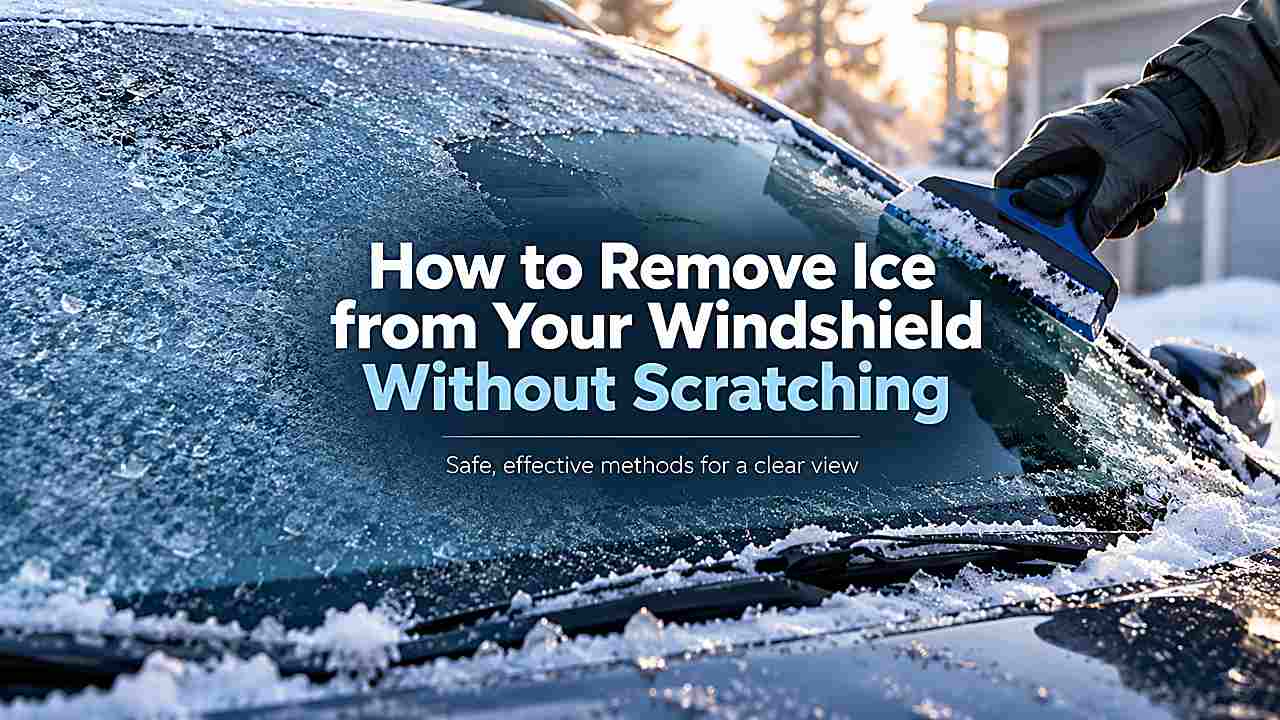
Use the vehicle’s defroster, a proper glass de-icer or winter washer fluid, and a clean plastic scraper. Never use metal blades, hot water or dry scraping across gritty glass because those shortcuts can scratch or crack the windshield.
Warm the glass gradually before scraping
Start the vehicle and use the defrost setting
Airflow across the inside surface helps warm the glass gradually and loosen the bond between ice and windshield. AAA guidance recommends using the vehicle’s defrost system rather than thermal-shock shortcuts. That is why a small test or inspection step should come before a more aggressive method. You get better results when you know what changed after each pass instead of repeating the same process blindly.
Give it several minutes while you clear snow from the rest of the vehicle. Do not leave the car running unattended where that is unsafe or illegal. If your vehicle has previous bodywork, unusual materials or aftermarket protection, mention that before treatment or repair. Those details can change compatibility, labor and the point at which professional help becomes the safer choice.
Avoid pouring hot water on frozen glass
Hot water can create a rapid temperature difference across already stressed cold glass. Chips and edge damage make the risk worse. Good lighting and a clean surface make this judgment much easier. Dirt, gloss enhancers and shadows can hide defects or make harmless texture look worse than it really is.
The water can also refreeze on colder surfaces and around wiper mechanisms. Use controlled cabin heat and chemical de-icer instead. You should also consider the cost of creating a new problem. A conservative process that leaves a small cosmetic imperfection is often preferable to removing too much clear coat, damaging trim or disturbing a safety-related component.
Choose tools that cannot cut the glass
A purpose-made plastic ice scraper is the standard tool
Plastic edges are firm enough to break softened ice without behaving like a metal blade. Keep the scraper clean because trapped sand can still scratch. The practical goal is a stable result, not a dramatic before-and-after created by excessive force. If the recommended method stops producing improvement, reassess rather than escalating automatically.
If the edge becomes nicked or rough, replace it. A long-handled brush-scraper makes it easier to clear the entire windshield without leaning onto the hood. That is why a small test or inspection step should come before a more aggressive method. You get better results when you know what changed after each pass instead of repeating the same process blindly.
Metal scrapers and improvised tools are risky
AAA specifically warns against metal scrapers. Putty knives, keys and razor blades can leave scratches and can damage wiper blades or nearby trim. If your vehicle has previous bodywork, unusual materials or aftermarket protection, mention that before treatment or repair. Those details can change compatibility, labor and the point at which professional help becomes the safer choice.
Even if one use appears successful, you are trading a few minutes for permanent glass marks. Keep a proper scraper in the vehicle before winter begins. Good lighting and a clean surface make this judgment much easier. Dirt, gloss enhancers and shadows can hide defects or make harmless texture look worse than it really is.
Use de-icer to reduce force
Commercial de-icer or winter washer fluid lowers the freezing point
Spray the iced surface and allow the product time to work before scraping. Store the bottle where it will not freeze if the label permits. You should also consider the cost of creating a new problem. A conservative process that leaves a small cosmetic imperfection is often preferable to removing too much clear coat, damaging trim or disturbing a safety-related component.
Winter windshield fluid in the reservoir also helps, but do not operate wipers over thick solid ice. Free the blades first. The practical goal is a stable result, not a dramatic before-and-after created by excessive force. If the recommended method stops producing improvement, reassess rather than escalating automatically.
Homemade alcohol mixtures need caution
Alcohol-water mixtures can melt ice because alcohol freezes at a lower temperature, but concentrations vary and repeated overspray may affect wax or trim. Commercial automotive de-icer is more predictable. That is why a small test or inspection step should come before a more aggressive method. You get better results when you know what changed after each pass instead of repeating the same process blindly.
Whatever you use, avoid mixing chemicals in the bottle. Label homemade mixtures clearly if you choose to use one. If your vehicle has previous bodywork, unusual materials or aftermarket protection, mention that before treatment or repair. Those details can change compatibility, labor and the point at which professional help becomes the safer choice.
Scrape without grinding grit into the windshield
Clear loose snow and debris before attacking the ice
Road grit can settle on the glass before freezing rain arrives. Brush loose snow away and use washer/de-icer fluid so particles are suspended rather than trapped under the scraper. Good lighting and a clean surface make this judgment much easier. Dirt, gloss enhancers and shadows can hide defects or make harmless texture look worse than it really is.
Work from the edges of softened ice inward. Do not bear down harder when the ice resists; give it more time to warm. You should also consider the cost of creating a new problem. A conservative process that leaves a small cosmetic imperfection is often preferable to removing too much clear coat, damaging trim or disturbing a safety-related component.
Use short overlapping strokes and keep the blade flat
A flat plastic edge distributes pressure. Chopping at the glass with the corner of the scraper can concentrate force near an existing chip. The practical goal is a stable result, not a dramatic before-and-after created by excessive force. If the recommended method stops producing improvement, reassess rather than escalating automatically.
If the ice is thick, remove it in layers. Your goal is to break the bond, not shave the glass surface. That is why a small test or inspection step should come before a more aggressive method. You get better results when you know what changed after each pass instead of repeating the same process blindly.
Protect wipers and washer systems
Free frozen wiper blades by hand before turning them on
Activating frozen wipers can tear rubber inserts or overload the motor and linkage. Warm the windshield until the blades release, then lift them carefully. If your vehicle has previous bodywork, unusual materials or aftermarket protection, mention that before treatment or repair. Those details can change compatibility, labor and the point at which professional help becomes the safer choice.
Clear ice from the cowl where the blades park. Replace torn blades because damaged rubber can scratch through trapped grit. Good lighting and a clean surface make this judgment much easier. Dirt, gloss enhancers and shadows can hide defects or make harmless texture look worse than it really is.
Use winter-rated washer fluid before freezing weather arrives
Summer fluid can freeze in the reservoir or lines. Refill with a product rated for your expected climate and operate the washers enough to pull the winter fluid through the hoses. You should also consider the cost of creating a new problem. A conservative process that leaves a small cosmetic imperfection is often preferable to removing too much clear coat, damaging trim or disturbing a safety-related component.
This preparation is easier before the first freeze. Check the label because freeze ratings vary by product. The practical goal is a stable result, not a dramatic before-and-after created by excessive force. If the recommended method stops producing improvement, reassess rather than escalating automatically.
Prevent heavy ice buildup overnight
A windshield cover can eliminate much of the scraping
A fitted exterior frost cover keeps freezing precipitation off the glass when installed before the storm. Secure it so wind cannot rub dirty fabric across paint. That is why a small test or inspection step should come before a more aggressive method. You get better results when you know what changed after each pass instead of repeating the same process blindly.
Remove it carefully so trapped ice does not spill into the cabin. It is one of the few winter accessories that directly reduces scraping contact. If your vehicle has previous bodywork, unusual materials or aftermarket protection, mention that before treatment or repair. Those details can change compatibility, labor and the point at which professional help becomes the safer choice.
Park to use morning sun when practical
If you cannot cover the glass, orienting the windshield toward early sunlight can accelerate thawing. It is not a substitute for safe scraping, but it can reduce ice thickness. Good lighting and a clean surface make this judgment much easier. Dirt, gloss enhancers and shadows can hide defects or make harmless texture look worse than it really is.
Avoid parking beneath branches likely to drop snow or ice. Small choices the night before can save work in the morning. You should also consider the cost of creating a new problem. A conservative process that leaves a small cosmetic imperfection is often preferable to removing too much clear coat, damaging trim or disturbing a safety-related component.
Frequently Asked Questions
These questions address the issues that most often come up when you are dealing with how to remove ice from windshield without scratching. They also clarify where a general rule stops being useful and the condition of the specific vehicle, policy, surface or repair has to decide the answer.
Can a plastic ice scraper scratch a windshield?
It is much less likely than metal, but grit trapped between the scraper and glass can still create scratches. Keep the tool clean and soften the ice first. The practical goal is a stable result, not a dramatic before-and-after created by excessive force. If the recommended method stops producing improvement, reassess rather than escalating automatically.
Replace a scraper with rough or damaged edges. Lubrication from de-icer also reduces drag. That is why a small test or inspection step should come before a more aggressive method. You get better results when you know what changed after each pass instead of repeating the same process blindly.
Is rubbing alcohol safe for windshield de-icing?
Alcohol can lower the freezing point of water and is used in many de-icing formulas. Strong homemade mixtures can dry rubber or remove wax from adjacent paint with repeated overspray. If your vehicle has previous bodywork, unusual materials or aftermarket protection, mention that before treatment or repair. Those details can change compatibility, labor and the point at which professional help becomes the safer choice.
A commercial automotive de-icer is easier to use correctly. Never mix alcohol with unrelated cleaners. Good lighting and a clean surface make this judgment much easier. Dirt, gloss enhancers and shadows can hide defects or make harmless texture look worse than it really is.
Can I use my windshield wipers to clear ice?
Only after the ice has loosened and the blades move freely. Running wipers over solid ice can damage the rubber, motor or linkage. You should also consider the cost of creating a new problem. A conservative process that leaves a small cosmetic imperfection is often preferable to removing too much clear coat, damaging trim or disturbing a safety-related component.
Clear heavy ice with defrost, de-icer and a scraper first. Then use the washers and wipers for the final film. The practical goal is a stable result, not a dramatic before-and-after created by excessive force. If the recommended method stops producing improvement, reassess rather than escalating automatically.
Why is hot water dangerous on an icy windshield?
Rapid temperature change can place stress across the glass and may turn an existing chip into a crack. Hot water can also refreeze on colder areas of the car. That is why a small test or inspection step should come before a more aggressive method. You get better results when you know what changed after each pass instead of repeating the same process blindly.
Gradual defrost heat is safer. This is one shortcut that can turn a free task into a windshield replacement. If your vehicle has previous bodywork, unusual materials or aftermarket protection, mention that before treatment or repair. Those details can change compatibility, labor and the point at which professional help becomes the safer choice.
Should I lift my wipers overnight?
Lifting them can prevent blades from freezing to the windshield, but some vehicles have wiper arms that can snap back against the glass or interfere with hood design. Check the owner’s manual. Good lighting and a clean surface make this judgment much easier. Dirt, gloss enhancers and shadows can hide defects or make harmless texture look worse than it really is.
A windshield cover can protect both the glass and blades without leaving the arms raised in high wind. You should also consider the cost of creating a new problem. A conservative process that leaves a small cosmetic imperfection is often preferable to removing too much clear coat, damaging trim or disturbing a safety-related component.
Conclusion
Use the vehicle’s defroster, a proper glass de-icer or winter washer fluid, and a clean plastic scraper. Never use metal blades, hot water or dry scraping across gritty glass because those shortcuts can scratch or crack the windshield. The important part is applying that answer to the actual condition in front of you rather than forcing a universal rule onto every vehicle.
Your next step should be the lowest-risk action that gives you better information: inspect carefully, test a small area, verify the policy or product instructions, compare current market evidence or obtain a qualified professional assessment. That keeps the decision practical and protects the value of the vehicle.