If you are researching will severe hail damage total my car, you probably want a method that works without creating a second problem somewhere else. The safest approach is to understand what you are actually trying to remove, correct or protect before you choose the product or tool.
The details matter because automotive surfaces, materials and insurance decisions do not respond well to one-size-fits-all rules. This guide shows you what changes the result, where the practical limits are and how to make the next step with fewer surprises.
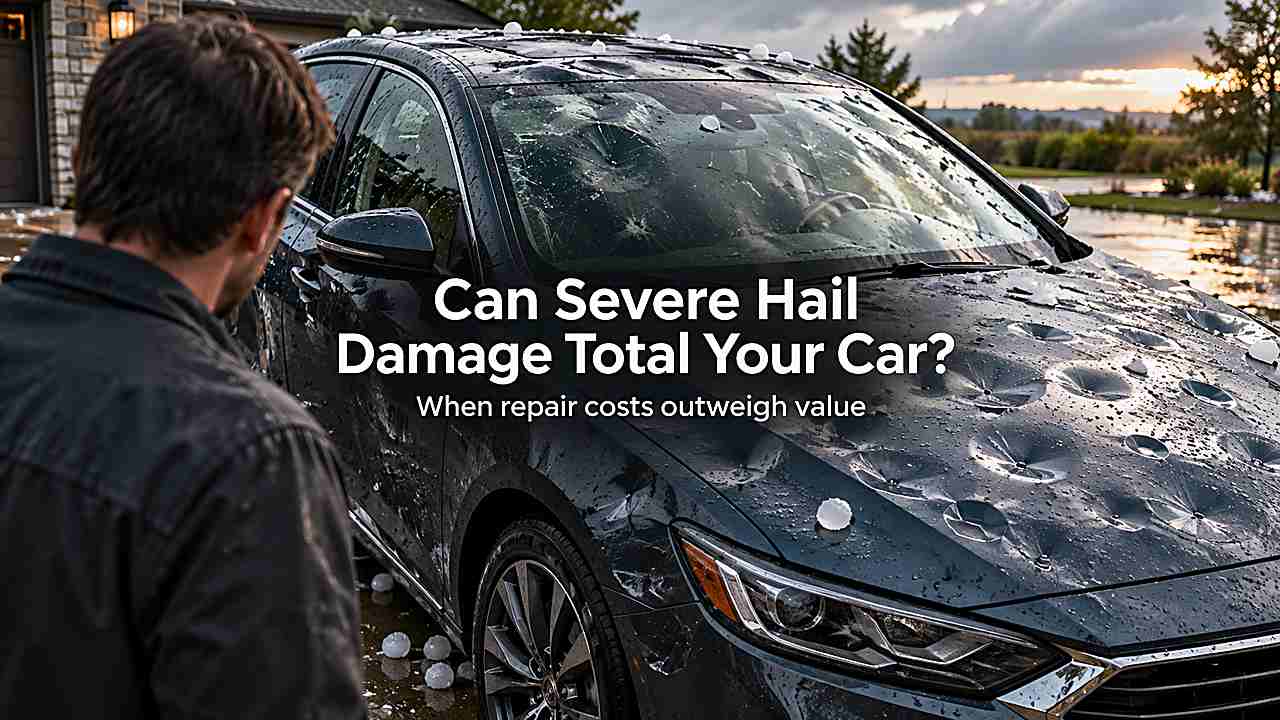
Severe hail can total a car even when it still drives normally. Insurers generally compare the estimated repair cost and other claim economics with the vehicle’s pre-loss actual cash value, while state total-loss rules and safe repairability can also control the decision.
Why cosmetic hail can become a total loss
Hail can damage almost every horizontal and upper body panel at once
One dent may be inexpensive, but hundreds of dents across the hood, roof, trunk, doors and rails create large labor totals. Broken glass, damaged trim and cracked paint add conventional repair work. That distinction helps you avoid using more aggressive chemistry or abrasion than the surface actually needs. When a mild method works, there is little benefit in escalating simply to make the process feel faster.
If some panels require replacement instead of PDR, the estimate can rise quickly. A car does not need mechanical damage to become uneconomical to repair. Good lighting makes this easier because contamination, scratches and residue can look very different depending on angle. Inspect before and after each major step so you know whether the problem is being removed or merely hidden.
Older or lower-value cars reach the total-loss point sooner
The same $6,000 repair can be manageable on a high-value late-model vehicle and uneconomical on an older car worth less than the repair. Insurers use the vehicle’s pre-loss actual cash value, not what you originally paid. You should also consider the condition of adjacent trim, coatings and previous repairs. A method that is safe for factory clear coat may not behave the same way on failing paint, aftermarket film or delicate interior material.
Mileage, condition, options and local market information can affect that value. This is why two visually similar cars can receive different claim decisions. If a test section behaves differently from what you expected, stop and reassess rather than doubling the pressure or chemical strength. Controlled troubleshooting is one of the easiest ways to prevent a small detailing problem from becoming permanent damage.
The basic total-loss calculation
Repair cost is compared with actual cash value and applicable state rules
Insurers estimate what it would cost to return the vehicle to pre-loss condition, then compare that figure with the car’s value before the storm. Some states use specific total-loss thresholds or formulas, while others allow broader insurer judgment. The practical goal is not to use every tool in the kit. It is to solve the specific contamination or defect with the least aggressive process that produces a stable, repeatable result.
There is no universal national percentage. If someone tells you every hail car is totaled at exactly 70 or 80 percent, that is an oversimplification. That distinction helps you avoid using more aggressive chemistry or abrasion than the surface actually needs. When a mild method works, there is little benefit in escalating simply to make the process feel faster.
Salvage value can affect claim economics
A damaged vehicle still has value at a salvage auction or to a retained-owner buyer. Some total-loss formulas consider repair cost plus salvage value relative to actual cash value. Good lighting makes this easier because contamination, scratches and residue can look very different depending on angle. Inspect before and after each major step so you know whether the problem is being removed or merely hidden.
Insurer methodology and state rules differ. You should ask your adjuster how the decision was calculated on your specific claim. You should also consider the condition of adjacent trim, coatings and previous repairs. A method that is safe for factory clear coat may not behave the same way on failing paint, aftermarket film or delicate interior material.
What the hail estimate usually includes
PDR labor is often calculated panel by panel
Paintless dent repair may be used when paint is intact and metal is repairable. Estimates can account for dent count, dent size, panel material, body lines and access. If a test section behaves differently from what you expected, stop and reassess rather than doubling the pressure or chemical strength. Controlled troubleshooting is one of the easiest ways to prevent a small detailing problem from becoming permanent damage.
Removing headliners, trim and lights for access adds labor. Severe roofs and rails may become especially expensive because of complexity. The practical goal is not to use every tool in the kit. It is to solve the specific contamination or defect with the least aggressive process that produces a stable, repeatable result.
Traditional bodywork and panel replacement raise the estimate
Cracked paint, stretched metal and sharp damage may require repair and refinishing rather than PDR. New panels can also require blending adjacent paint for color match. That distinction helps you avoid using more aggressive chemistry or abrasion than the surface actually needs. When a mild method works, there is little benefit in escalating simply to make the process feel faster.
Glass, moldings and one-time-use parts can add cost. Severe hail is often a mixed-method repair rather than pure PDR. Good lighting makes this easier because contamination, scratches and residue can look very different depending on angle. Inspect before and after each major step so you know whether the problem is being removed or merely hidden.
What comprehensive insurance usually covers
Hail is generally handled under comprehensive coverage
Major insurers describe hail as a comprehensive-loss event rather than collision. If you carry comprehensive and the loss is covered, your deductible typically applies. You should also consider the condition of adjacent trim, coatings and previous repairs. A method that is safe for factory clear coat may not behave the same way on failing paint, aftermarket film or delicate interior material.
Liability-only coverage does not pay for hail damage to your own car. Always confirm your policy because coverage details and deductibles vary. If a test section behaves differently from what you expected, stop and reassess rather than doubling the pressure or chemical strength. Controlled troubleshooting is one of the easiest ways to prevent a small detailing problem from becoming permanent damage.
A total-loss payment is generally based on actual cash value
When a covered vehicle is totaled, insurers typically pay the actual cash value subject to deductible, lienholder interest and policy terms. The payment is not automatically the amount you owe on a loan. The practical goal is not to use every tool in the kit. It is to solve the specific contamination or defect with the least aggressive process that produces a stable, repeatable result.
Gap coverage may matter if your loan balance exceeds the settlement. Review the valuation report rather than focusing only on the gross payout number. That distinction helps you avoid using more aggressive chemistry or abrasion than the surface actually needs. When a mild method works, there is little benefit in escalating simply to make the process feel faster.
What to do if you think the valuation is wrong
Check the vehicle description for factual errors
Year, trim, drivetrain, mileage, options and condition should be accurate. Missing packages or incorrect mileage can affect comparable-vehicle selection. Good lighting makes this easier because contamination, scratches and residue can look very different depending on angle. Inspect before and after each major step so you know whether the problem is being removed or merely hidden.
You can ask the adjuster to correct factual errors. Keep service records and recent photos that show pre-loss condition. You should also consider the condition of adjacent trim, coatings and previous repairs. A method that is safe for factory clear coat may not behave the same way on failing paint, aftermarket film or delicate interior material.
Provide relevant local comparables if the process allows it
If similar vehicles in your market are consistently priced higher than the valuation, gather credible listings with matching trim, mileage and condition. An advertised price is not automatically proof of value, but good comparables can support a discussion. If a test section behaves differently from what you expected, stop and reassess rather than doubling the pressure or chemical strength. Controlled troubleshooting is one of the easiest ways to prevent a small detailing problem from becoming permanent damage.
Follow your insurer’s appraisal or dispute procedure rather than arguing from sentimental value. The practical goal is not to use every tool in the kit. It is to solve the specific contamination or defect with the least aggressive process that produces a stable, repeatable result.
If you want to keep a totaled hail car
Owner-retained salvage may be possible but has consequences
Some insurers allow you to keep the vehicle by deducting salvage value from the settlement. Title branding, inspection and registration rules vary by state. That distinction helps you avoid using more aggressive chemistry or abrasion than the surface actually needs. When a mild method works, there is little benefit in escalating simply to make the process feel faster.
Financing can complicate the decision because the lender has an interest in the vehicle. Ask about title status before agreeing. Good lighting makes this easier because contamination, scratches and residue can look very different depending on angle. Inspect before and after each major step so you know whether the problem is being removed or merely hidden.
A drivable hail car can still have reduced resale value
Cosmetic damage and a branded or total-loss history can affect future sale options. Repair costs may also be higher than expected if hidden access issues appear. You should also consider the condition of adjacent trim, coatings and previous repairs. A method that is safe for factory clear coat may not behave the same way on failing paint, aftermarket film or delicate interior material.
Keeping the car can make sense for some owners, but calculate insurance, title and resale consequences. Do not decide solely because the engine still runs well. If a test section behaves differently from what you expected, stop and reassess rather than doubling the pressure or chemical strength. Controlled troubleshooting is one of the easiest ways to prevent a small detailing problem from becoming permanent damage.
Frequently Asked Questions
These questions cover the points that most often cause confusion when you are dealing with will severe hail damage total my car. The answers are meant to help you decide when a simple DIY approach is reasonable and when the surface, product, weather or repair situation deserves a more conservative next step.
Can a car be totaled from dents only?
Yes. A vehicle can be a total loss because the total cost of cosmetic repair is too high relative to its value. The practical goal is not to use every tool in the kit. It is to solve the specific contamination or defect with the least aggressive process that produces a stable, repeatable result.
Mechanical damage is not required. Hail frequently spreads damage across many panels, which creates large labor totals. Safe repairability and state rules can also influence the decision. That distinction helps you avoid using more aggressive chemistry or abrasion than the surface actually needs. When a mild method works, there is little benefit in escalating simply to make the process feel faster.
Does a cracked windshield make a hail total more likely?
It adds to the estimate, but glass alone rarely decides the claim. The important number is the combined cost of all covered repairs relative to vehicle value and the applicable total-loss method. Good lighting makes this easier because contamination, scratches and residue can look very different depending on angle. Inspect before and after each major step so you know whether the problem is being removed or merely hidden.
Panoramic roofs and specialized glass can be expensive. Your adjuster will include those items in the estimate. You should also consider the condition of adjacent trim, coatings and previous repairs. A method that is safe for factory clear coat may not behave the same way on failing paint, aftermarket film or delicate interior material.
Will comprehensive insurance pay if my car is totaled by hail?
Typically, yes, if you carried comprehensive coverage when the storm occurred and the loss is covered under your policy. The settlement is generally based on actual cash value minus the deductible. If a test section behaves differently from what you expected, stop and reassess rather than doubling the pressure or chemical strength. Controlled troubleshooting is one of the easiest ways to prevent a small detailing problem from becoming permanent damage.
Lienholders may receive payment if the vehicle is financed. Read your policy and claim documents for exact terms. The practical goal is not to use every tool in the kit. It is to solve the specific contamination or defect with the least aggressive process that produces a stable, repeatable result.
Can I choose PDR instead of totaling the car?
You can discuss repair alternatives, but an insurer is not required to fund a repair that exceeds the claim’s total-loss economics or violates state rules. If a reputable PDR estimate is materially lower, provide it to the adjuster for consideration. That distinction helps you avoid using more aggressive chemistry or abrasion than the surface actually needs. When a mild method works, there is little benefit in escalating simply to make the process feel faster.
Severe paint damage or stretched panels may not be suitable for PDR. Good lighting makes this easier because contamination, scratches and residue can look very different depending on angle. Inspect before and after each major step so you know whether the problem is being removed or merely hidden.
Does hail damage automatically create a salvage title?
Not automatically. Title branding depends on whether the vehicle is declared a total loss, whether it is retained, and the laws of the state issuing the title. You should also consider the condition of adjacent trim, coatings and previous repairs. A method that is safe for factory clear coat may not behave the same way on failing paint, aftermarket film or delicate interior material.
A repaired hail claim that never becomes a total loss may have different paperwork. Ask your insurer and motor-vehicle agency about your specific situation. If a test section behaves differently from what you expected, stop and reassess rather than doubling the pressure or chemical strength. Controlled troubleshooting is one of the easiest ways to prevent a small detailing problem from becoming permanent damage.
Conclusion
Severe hail can total a car even when it still drives normally. Insurers generally compare the estimated repair cost and other claim economics with the vehicle’s pre-loss actual cash value, while state total-loss rules and safe repairability can also control the decision. The best result comes from matching the method to the actual condition in front of you rather than escalating pressure, abrasives, chemicals or cost automatically.
Your next step should be the lowest-risk action that gives you useful information: inspect closely, test a small area, verify product instructions or obtain a qualified estimate when the problem exceeds normal DIY work. That approach protects both the vehicle and the time you are investing in it.