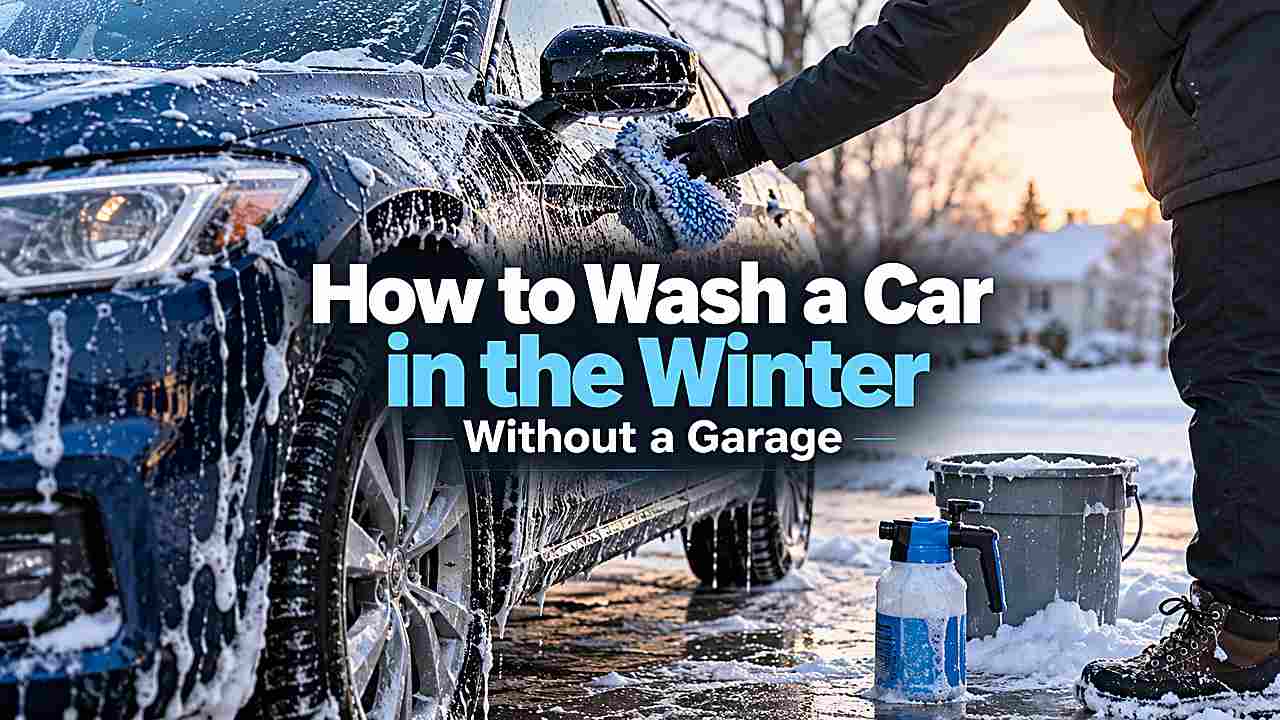
Winter washing is not about making the car look perfect. It is about removing road salt, slush, grime and corrosive residue without freezing doors, locks or trim in the process.
You can wash a car without a garage if you choose the right temperature window, work quickly and dry key areas carefully. The colder it is, the more your method matters.
Wash a car outdoors in winter only when temperatures are safely above freezing or rising. Use a coin wash or rinseless method, focus on salt removal and dry doors, locks, mirrors and weather seals afterward.
Pick the safest weather window
The ideal time is a milder day when temperatures are above freezing and expected to stay there long enough for the car to dry. Washing right before a hard freeze increases the chance of frozen locks, doors and mirrors. Sunlight can help, but do not rely on sun alone if the air is well below freezing.
If temperatures are dangerously low, postpone the wash or use a professional indoor wash bay. Salt is harmful, but frozen components and unsafe footing can create immediate problems. You are balancing corrosion control with practical winter safety.
In practice, you should let the surface guide the next step. If it feels rough, sticky, greasy or unusually warm, slow down and correct that condition first. If the surface looks clean but still shows a defect, the problem may have moved from cleaning into correction, protection or repair. That distinction helps you avoid using the wrong product for the wrong job.
Use the right winter wash method
A self-serve bay is often the best no-garage option because it gives you pressure, drainage and some shelter. Start with a thorough rinse to remove salt from paint, wheels, wheel wells and lower panels. Keep the wand at a safe distance and avoid forcing water into locks, sensors and damaged trim.
Rinseless washing can work for light winter grime if the car is not heavily salted or muddy. Use plenty of solution and multiple clean towels. If abrasive road grit is thick, rinse first because wiping a gritty panel can scratch the paint.
In practice, you should let the surface guide the next step. If it feels rough, sticky, greasy or unusually warm, slow down and correct that condition first. If the surface looks clean but still shows a defect, the problem may have moved from cleaning into correction, protection or repair. That distinction helps you avoid using the wrong product for the wrong job.
Winter washing sequence
This workflow works best when you move in order and inspect the surface as you go. The sequence below keeps the repair controlled, reduces avoidable damage and helps you stop before a small detailing problem becomes a larger one.
1. Choose a temperature above freezing.
Begin with wheels, wheel wells and lower panels where salt collects. Rinse from top to bottom afterward so loosened grime flows down and away. Use a gentle car shampoo or rinseless wash solution rather than dish soap, which strips protection and can dry rubber.
Work patiently here because pressure and speed are usually what create avoidable damage. If the result is not improving after a careful pass, pause and reassess instead of increasing force. You can always repeat a safe step, but you cannot undo scratches, staining or material damage caused by rushing.
2. Rinse salt from lower areas first.
Drying is more important in winter than in summer. Use soft towels or forced air if available. Pay special attention to door jambs, fuel door, trunk edges, mirror housings, wiper areas and weather seals. These are the places where trapped water freezes and causes frustration later.
Work patiently here because pressure and speed are usually what create avoidable damage. If the result is not improving after a careful pass, pause and reassess instead of increasing force. You can always repeat a safe step, but you cannot undo scratches, staining or material damage caused by rushing.
3. Wash gently with proper car soap.
Begin with wheels, wheel wells and lower panels where salt collects. Rinse from top to bottom afterward so loosened grime flows down and away. Use a gentle car shampoo or rinseless wash solution rather than dish soap, which strips protection and can dry rubber.
Work patiently here because pressure and speed are usually what create avoidable damage. If the result is not improving after a careful pass, pause and reassess instead of increasing force. You can always repeat a safe step, but you cannot undo scratches, staining or material damage caused by rushing.
4. Rinse thoroughly and quickly.
Drying is more important in winter than in summer. Use soft towels or forced air if available. Pay special attention to door jambs, fuel door, trunk edges, mirror housings, wiper areas and weather seals. These are the places where trapped water freezes and causes frustration later.
Work patiently here because pressure and speed are usually what create avoidable damage. If the result is not improving after a careful pass, pause and reassess instead of increasing force. You can always repeat a safe step, but you cannot undo scratches, staining or material damage caused by rushing.
Protect areas that winter attacks
A wax, sealant or spray coating before winter makes washing easier and reduces how strongly grime sticks. Rubber seal care can also help doors release after cold nights. Apply protectants before freezing weather when surfaces are clean and dry.
Do not ignore the underbody and wheel wells. You do not need to blast every component aggressively, but rinsing salt from exposed areas helps reduce buildup. Avoid spraying directly into sensitive electrical connectors or damaged covers.
In practice, you should let the surface guide the next step. If it feels rough, sticky, greasy or unusually warm, slow down and correct that condition first. If the surface looks clean but still shows a defect, the problem may have moved from cleaning into correction, protection or repair. That distinction helps you avoid using the wrong product for the wrong job.
What to avoid in freezing conditions
Avoid washing late in the day when temperatures will drop quickly. Do not leave wet towels on paint or let water sit in door handles and locks. Avoid hot water on very cold glass because sudden temperature change can stress existing chips or cracks.
If a door freezes after washing, do not yank hard on the handle. Warm the area gradually and check whether water froze around the seal. Prevention through careful drying is much easier than dealing with frozen parts later.
In practice, you should let the surface guide the next step. If it feels rough, sticky, greasy or unusually warm, slow down and correct that condition first. If the surface looks clean but still shows a defect, the problem may have moved from cleaning into correction, protection or repair. That distinction helps you avoid using the wrong product for the wrong job.
In cold weather, use several dry towels instead of trying to finish the whole car with one damp towel. Start with glass, mirrors, door handles and jambs because those areas create the most immediate problems when frozen. A small blower can help remove trapped water from badges and mirrors if you have access to power. Keep towels indoors until you need them so they stay flexible.
How to dry the car when towels freeze quickly
Winter grime concentrates on rocker panels, lower doors, bumpers and wheel wells. These areas receive road spray and salt from your tires and nearby traffic. Spend more rinse time there before touching the paint with a mitt or towel. If you only have time for a quick winter wash, prioritize salt removal over cosmetic perfection.
Why lower panels need extra attention
A safe detailing process has stop points. If a mark does not respond to a correct mild method, it may not be the kind of defect that cleaning can solve. Continuing with more pressure can scratch, stain, thin or distort the surface. At that point, identify whether you are dealing with residue, oxidation, etching, abrasion, odor contamination or material failure before moving to a stronger approach.
When to stop and reassess
The repair is not finished until the surface is protected and the cause is addressed. Paint may need wax, sealant or coating; interior plastics may need a non-greasy protectant; fabric may need full drying and prevention; leather may need light protection rather than heavy oil. This final step keeps the same problem from returning quickly and helps your work last longer.
Frequently Asked Questions
Can I wash my car outside below freezing?
It is possible, but it is usually not ideal. Water can freeze on panels, seals, brakes and pavement, creating damage or safety issues. A heated self-serve bay or professional wash is safer. If you must wash in cold weather, choose the warmest part of the day and dry critical areas thoroughly.
The safest choice is to start with the least aggressive method that can reasonably work, then inspect before moving stronger. Your paint, trim, fabric or leather may respond differently depending on age, previous products and heat exposure. A small test spot gives you useful feedback before you treat a larger visible area.
Is rinseless wash safe in winter?
Yes, for light to moderate grime when used with enough solution and clean towels. It is not ideal for thick salt crust, mud or heavy grit unless you rinse first. The goal is to float dirt away rather than grind it into the paint. When the car is very dirty, a pressure rinse is safer.
The safest choice is to start with the least aggressive method that can reasonably work, then inspect before moving stronger. Your paint, trim, fabric or leather may respond differently depending on age, previous products and heat exposure. A small test spot gives you useful feedback before you treat a larger visible area.
Should I wash the undercarriage in winter?
Rinsing salt from the undercarriage and wheel wells is useful, especially after treated roads. Avoid overly aggressive spraying into damaged covers or electrical areas. Many self-serve bays have enough pressure for practical salt removal. Regular rinsing is better than letting buildup remain all season.
The safest choice is to start with the least aggressive method that can reasonably work, then inspect before moving stronger. Your paint, trim, fabric or leather may respond differently depending on age, previous products and heat exposure. A small test spot gives you useful feedback before you treat a larger visible area.
How do I stop doors from freezing after washing?
Dry door jambs, weather seals, handles and lock areas thoroughly. Opening and closing the doors after drying can help reveal trapped water. Rubber seal conditioner applied on a dry day can reduce sticking. Avoid washing right before a hard overnight freeze.
The safest choice is to start with the least aggressive method that can reasonably work, then inspect before moving stronger. Your paint, trim, fabric or leather may respond differently depending on age, previous products and heat exposure. A small test spot gives you useful feedback before you treat a larger visible area.
Can automatic washes be used in winter?
Yes, but choose carefully. Touchless washes reduce brush contact, while well-maintained soft-touch washes may clean better. Make sure the car has time to dry before severe freezing. After any wash, check mirrors, door handles and seals for trapped water.
The safest choice is to start with the least aggressive method that can reasonably work, then inspect before moving stronger. Your paint, trim, fabric or leather may respond differently depending on age, previous products and heat exposure. A small test spot gives you useful feedback before you treat a larger visible area.
Conclusion
Wash a car outdoors in winter only when temperatures are safely above freezing or rising. Use a coin wash or rinseless method, focus on salt removal and dry doors, locks, mirrors and weather seals afterward. The most reliable result comes from identifying the material and defect first, then choosing a method that solves that exact problem without creating new damage.
For your next step, clean and inspect the area in good light, test any new product in a small spot and work gradually. If the surface is already cracked, deeply etched, heavily stained or structurally damaged, stop before overworking it and get a professional opinion.