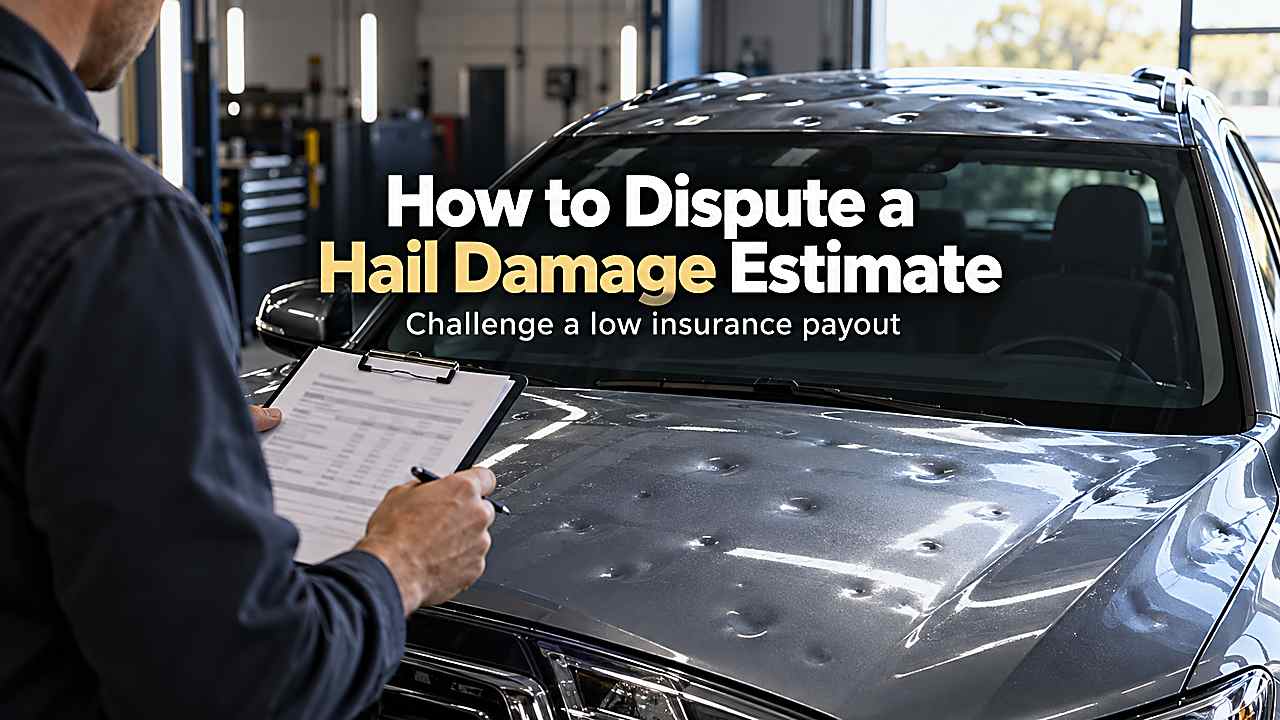
If you are researching how to dispute an insurance hail damage estimate, the quickest answer is rarely the whole answer. The condition of the vehicle, the material involved and what you plan to do next can change the safest and most economical approach.
This guide focuses on the decisions that matter in real ownership rather than a one-size-fits-all shortcut. You will see what to inspect first, what can reasonably be handled yourself and where a professional estimate or inspection becomes the smarter move.
You can challenge a hail estimate by identifying specific missing damage or incorrect operations, getting a detailed estimate from a reputable repair facility, requesting a supplement or reinspection and using the policy’s formal dispute process if disagreement remains.
Start by finding the exact disagreement
A low estimate is not specific enough by itself
Compare the insurer’s estimate with the vehicle panel by panel. Is dent count too low, is an aluminum adjustment missing, is glass omitted, or is the repair method different? That is why a small test or inspection step should come before a more aggressive method. You get better results when you know what changed after each pass instead of repeating the same process blindly.
Specific differences are easier to resolve than arguing that the total feels unfair. Mark each disputed line and gather evidence for it. If your vehicle has previous bodywork, unusual materials or aftermarket protection, mention that before treatment or repair. Those details can change compatibility, labor and the point at which professional help becomes the safer choice.
Separate repair-scope disputes from total-loss valuation disputes
If the insurer agrees the car is repairable but underestimates work, the remedy is usually a supplement. If the car is totaled and you disagree with actual cash value, you need market comparables and condition evidence instead. Good lighting and a clean surface make this judgment much easier. Dirt, gloss enhancers and shadows can hide defects or make harmless texture look worse than it really is.
Those are different processes. Mixing them can slow the claim. You should also consider the cost of creating a new problem. A conservative process that leaves a small cosmetic imperfection is often preferable to removing too much clear coat, damaging trim or disturbing a safety-related component.
Get a detailed shop estimate under proper lighting
A PDR specialist may find hail dents the first inspection missed
Reflection lights reveal shallow lows across large panels more clearly than driveway photos. A qualified shop can count or categorize dents and document body lines, aluminum, access operations and damaged trim. The practical goal is a stable result, not a dramatic before-and-after created by excessive force. If the recommended method stops producing improvement, reassess rather than escalating automatically.
Ask for a written estimate, not only a verbal total. Photos tied to specific panels strengthen the file. That is why a small test or inspection step should come before a more aggressive method. You get better results when you know what changed after each pass instead of repeating the same process blindly.
A collision shop can document paint, glass and replacement needs
If hail cracked paint or damaged parts beyond PDR limits, the estimate should explain those operations. Manufacturer repair information may support panel replacement or calibration requirements. If your vehicle has previous bodywork, unusual materials or aftermarket protection, mention that before treatment or repair. Those details can change compatibility, labor and the point at which professional help becomes the safer choice.
The shop is not deciding coverage, but it can provide technical repair evidence. Give that evidence to the adjuster rather than simply asking for more money. Good lighting and a clean surface make this judgment much easier. Dirt, gloss enhancers and shadows can hide defects or make harmless texture look worse than it really is.
Use the supplement and reinspection process
Supplements are normal when additional damage is discovered
Many initial estimates are written before trim removal or detailed shop inspection. The repair facility can submit additional operations and supporting photos. You should also consider the cost of creating a new problem. A conservative process that leaves a small cosmetic imperfection is often preferable to removing too much clear coat, damaging trim or disturbing a safety-related component.
The insurer may approve, negotiate or reinspect. A supplement is usually the first practical path before invoking formal dispute mechanisms. The practical goal is a stable result, not a dramatic before-and-after created by excessive force. If the recommended method stops producing improvement, reassess rather than escalating automatically.
Ask the adjuster to explain any denied line item
A written explanation helps you understand whether the disagreement is labor rate, repair method, part choice or coverage. You can then provide targeted evidence. That is why a small test or inspection step should come before a more aggressive method. You get better results when you know what changed after each pass instead of repeating the same process blindly.
Keep communication professional and organized. A clear record is useful if the issue later reaches a supervisor, appraisal or regulator. If your vehicle has previous bodywork, unusual materials or aftermarket protection, mention that before treatment or repair. Those details can change compatibility, labor and the point at which professional help becomes the safer choice.
Challenge a total-loss value with market evidence
Verify trim, options, mileage and condition inputs
Valuation errors can come from wrong vehicle configuration or missing equipment. Check every listed option and the recorded odometer. Good lighting and a clean surface make this judgment much easier. Dirt, gloss enhancers and shadows can hide defects or make harmless texture look worse than it really is.
Provide service history or pre-loss photos if the condition rating seems inaccurate. Correcting a factual input is easier than arguing generally that the car was worth more. You should also consider the cost of creating a new problem. A conservative process that leaves a small cosmetic imperfection is often preferable to removing too much clear coat, damaging trim or disturbing a safety-related component.
Use truly comparable vehicles
A strong comparable matches year, model, trim, drivetrain, mileage and local market as closely as possible. Asking prices are not automatically sale values, but several relevant listings can show that the report’s market selection is weak. The practical goal is a stable result, not a dramatic before-and-after created by excessive force. If the recommended method stops producing improvement, reassess rather than escalating automatically.
Avoid comparing your truck to a higher trim or much lower-mileage example. Credibility matters. That is why a small test or inspection step should come before a more aggressive method. You get better results when you know what changed after each pass instead of repeating the same process blindly.
Know the policy’s formal dispute tools
Some auto policies include an appraisal clause for value disputes
An appraisal clause can allow each side to select an appraiser and use a defined process to resolve certain disagreements. Availability and scope depend on the policy and state. If your vehicle has previous bodywork, unusual materials or aftermarket protection, mention that before treatment or repair. Those details can change compatibility, labor and the point at which professional help becomes the safer choice.
Read the contract before assuming you have this right. Fees may be your responsibility. Good lighting and a clean surface make this judgment much easier. Dirt, gloss enhancers and shadows can hide defects or make harmless texture look worse than it really is.
State insurance departments can explain complaint procedures
Insurance is regulated at the state level, so complaint and prompt-payment rules vary. If you believe the insurer is not following the policy or state requirements, your state insurance department can provide consumer guidance. You should also consider the cost of creating a new problem. A conservative process that leaves a small cosmetic imperfection is often preferable to removing too much clear coat, damaging trim or disturbing a safety-related component.
A regulator does not automatically rewrite the estimate, but it can review claim-handling issues. Keep copies of all communication. The practical goal is a stable result, not a dramatic before-and-after created by excessive force. If the recommended method stops producing improvement, reassess rather than escalating automatically.
Protect your position while the dispute is active
Do not let storage or rental costs grow without understanding coverage
A disputed claim can create secondary expenses. Ask the insurer and shop who is responsible for storage, teardown and rental after any coverage limits are reached. That is why a small test or inspection step should come before a more aggressive method. You get better results when you know what changed after each pass instead of repeating the same process blindly.
Get agreements in writing when possible. Otherwise, a repair dispute can create costs that are unrelated to the original hail damage. If your vehicle has previous bodywork, unusual materials or aftermarket protection, mention that before treatment or repair. Those details can change compatibility, labor and the point at which professional help becomes the safer choice.
Keep the vehicle from suffering additional damage
Broken glass, exposed metal and water intrusion should be mitigated reasonably. Document temporary protective work and keep receipts. Good lighting and a clean surface make this judgment much easier. Dirt, gloss enhancers and shadows can hide defects or make harmless texture look worse than it really is.
Do not begin irreversible repairs before required inspections if that would prejudice the claim. Your policy normally expects you to prevent avoidable additional loss while cooperating with the investigation. You should also consider the cost of creating a new problem. A conservative process that leaves a small cosmetic imperfection is often preferable to removing too much clear coat, damaging trim or disturbing a safety-related component.
Frequently Asked Questions
These questions address the issues that most often come up when you are dealing with how to dispute an insurance hail damage estimate. They also clarify where a general rule stops being useful and the condition of the specific vehicle, policy, surface or repair has to decide the answer.
Can I get a second hail estimate after the insurance inspection?
Yes. A reputable PDR or collision shop can prepare its own estimate and submit additional damage or operations through the supplement process. The practical goal is a stable result, not a dramatic before-and-after created by excessive force. If the recommended method stops producing improvement, reassess rather than escalating automatically.
The insurer may reinspect before approving changes. Choose a shop that documents its reasoning clearly. A higher total alone is not as persuasive as itemized evidence. That is why a small test or inspection step should come before a more aggressive method. You get better results when you know what changed after each pass instead of repeating the same process blindly.
What if the insurer refuses the body shop’s labor rate?
Labor-rate disputes are common and can depend on local market data, shop qualifications and policy handling. Ask each side to explain the rate basis. If your vehicle has previous bodywork, unusual materials or aftermarket protection, mention that before treatment or repair. Those details can change compatibility, labor and the point at which professional help becomes the safer choice.
You may have to decide whether to use a shop whose charges exceed what the insurer agrees to pay. State rules and policy language can affect your options. Good lighting and a clean surface make this judgment much easier. Dirt, gloss enhancers and shadows can hide defects or make harmless texture look worse than it really is.
Can I dispute the deductible?
The deductible is usually a policy term you selected, so it is different from disputing repair scope. If the declarations page or claim applies the wrong deductible, provide the policy documents. You should also consider the cost of creating a new problem. A conservative process that leaves a small cosmetic imperfection is often preferable to removing too much clear coat, damaging trim or disturbing a safety-related component.
Some states or policies have special catastrophe deductibles, but auto comprehensive terms vary. Verify the exact coverage in force on the loss date. The practical goal is a stable result, not a dramatic before-and-after created by excessive force. If the recommended method stops producing improvement, reassess rather than escalating automatically.
Should I hire a public adjuster for an auto hail claim?
Public-adjuster licensing and whether they handle auto claims vary by state. Many routine vehicle disputes can be addressed through the repair shop supplement process first. That is why a small test or inspection step should come before a more aggressive method. You get better results when you know what changed after each pass instead of repeating the same process blindly.
For a large or complicated claim, you can consult a licensed professional or attorney about options. Confirm fees and legal authority before hiring anyone. If your vehicle has previous bodywork, unusual materials or aftermarket protection, mention that before treatment or repair. Those details can change compatibility, labor and the point at which professional help becomes the safer choice.
How long should I keep hail claim records?
Keep estimates, photos, emails, repair invoices and valuation reports at least through final settlement and repair, and longer if the vehicle may later be sold or warranty issues arise. Records help explain prior damage and repair. Good lighting and a clean surface make this judgment much easier. Dirt, gloss enhancers and shadows can hide defects or make harmless texture look worse than it really is.
Digital copies are easy to store. Follow any state or policy requirements that apply to your claim. You should also consider the cost of creating a new problem. A conservative process that leaves a small cosmetic imperfection is often preferable to removing too much clear coat, damaging trim or disturbing a safety-related component.
Conclusion
You can challenge a hail estimate by identifying specific missing damage or incorrect operations, getting a detailed estimate from a reputable repair facility, requesting a supplement or reinspection and using the policy’s formal dispute process if disagreement remains. The important part is applying that answer to the actual condition in front of you rather than forcing a universal rule onto every vehicle.
Your next step should be the lowest-risk action that gives you better information: inspect carefully, test a small area, verify the policy or product instructions, compare current market evidence or obtain a qualified professional assessment. That keeps the decision practical and protects the value of the vehicle.