If you are researching do insurance rates go up after a hail damage claim, the most useful answer is the one that separates what is technically possible from what is financially or practically sensible. Small details such as paint condition, local rules, temperature, material or policy wording can completely change the right choice.
This guide focuses on the decision points that matter in real ownership, not viral shortcuts or one-size-fits-all claims. You will see where a DIY step is reasonable, where documentation matters and where a professional or state-specific answer is safer.
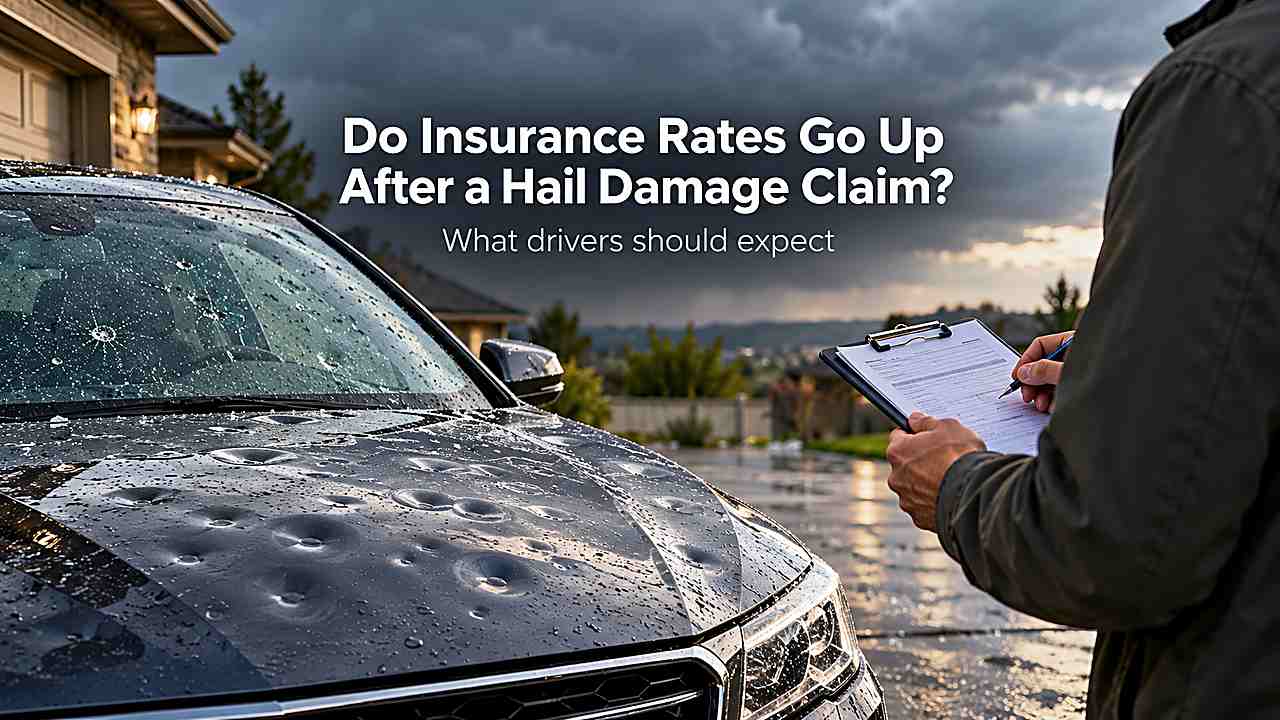
A hail claim can be followed by a higher auto insurance premium, but an increase is not automatic or universal. Insurers use claim history, local weather risk, state rating rules and broader loss costs when setting renewal prices, so you should separate the effect of your individual claim from market-wide rate changes.
Why a no-fault weather claim can still matter
In this article, why a no-fault weather claim can still matter matters because it changes the practical decision in ways that are easy to miss from a quick glance. The details below show what you should verify before you spend money, alter the surface or assume two similar-looking situations need the same solution.
Comprehensive claims become part of insurance loss history
Hail is outside your control, but the claim still represents a paid loss. Insurers can consider claim frequency and other permitted rating factors when pricing coverage, subject to state law. One claim may have little visible effect while a pattern of claims can matter more. Your individual record is only one piece of the rate calculation.
When you evaluate comprehensive claims become part of insurance loss history, treat it as one part of the decision rather than a shortcut. Compare it with the condition of your vehicle, the limits of the product or repair method, and any manufacturer, insurer or local requirements that apply before you move to a more aggressive step.
Rates can rise in a hail-prone region even if you never file
Insurers price future risk, not just past behavior. When an area experiences repeated severe storms and repair costs rise, comprehensive rates for many drivers can increase. If your premium goes up after a hailstorm season, the change may reflect territory-wide losses rather than a surcharge attached solely to your claim. Ask the insurer for the reason codes if available.
When you evaluate rates can rise in a hail-prone region even if you never file, treat it as one part of the decision rather than a shortcut. Compare it with the condition of your vehicle, the limits of the product or repair method, and any manufacturer, insurer or local requirements that apply before you move to a more aggressive step.
Factors that influence whether your renewal changes
In this article, factors that influence whether your renewal changes matters because it changes the practical decision in ways that are easy to miss from a quick glance. The details below show what you should verify before you spend money, alter the surface or assume two similar-looking situations need the same solution.
Claim frequency often matters more than one isolated weather loss
A single large comprehensive claim is different from several glass, theft and weather claims within a short period. Insurers may view repeated claims as a higher future-loss pattern even when each event was not your fault. State rules can restrict how certain claims are used. You should avoid assuming a universal penalty or universal protection.
When you evaluate claim frequency often matters more than one isolated weather loss, treat it as one part of the decision rather than a shortcut. Compare it with the condition of your vehicle, the limits of the product or repair method, and any manufacturer, insurer or local requirements that apply before you move to a more aggressive step.
The cost of the claim can matter, but it is not a simple dollar-for-dollar formula
A $10,000 hail repair does not mean your next premium rises by a fixed percentage. Rating plans use multiple variables and are filed or regulated differently by state. The insurer may also change base rates for everyone. The only reliable way to know your price is to review the actual renewal offer.
When you evaluate the cost of the claim can matter, but it is not a simple dollar-for-dollar formula, treat it as one part of the decision rather than a shortcut. Compare it with the condition of your vehicle, the limits of the product or repair method, and any manufacturer, insurer or local requirements that apply before you move to a more aggressive step.
Before filing, compare repair cost with the deductible
In this article, before filing, compare repair cost with the deductible matters because it changes the practical decision in ways that are easy to miss from a quick glance. The details below show what you should verify before you spend money, alter the surface or assume two similar-looking situations need the same solution.
Small claims can produce little financial benefit
If a hail repair estimate is $900 and your deductible is $750, a claim would produce only a modest payment if approved. You may decide to pay out of pocket, especially if the damage is purely cosmetic. This is a financial choice, not a guarantee that avoiding the claim will prevent all future rate increases. Market rates can still change.
When you evaluate small claims can produce little financial benefit, treat it as one part of the decision rather than a shortcut. Compare it with the condition of your vehicle, the limits of the product or repair method, and any manufacturer, insurer or local requirements that apply before you move to a more aggressive step.
Large losses are what comprehensive coverage is for
If hail causes thousands of dollars of damage, a fear of possible renewal changes should not stop you from using coverage you purchased. Document the vehicle, obtain an estimate and understand the deductible. Insurance is designed to transfer significant loss. The decision should reflect the size of the risk, not internet folklore about one claim ruining your rates.
When you evaluate large losses are what comprehensive coverage is for, treat it as one part of the decision rather than a shortcut. Compare it with the condition of your vehicle, the limits of the product or repair method, and any manufacturer, insurer or local requirements that apply before you move to a more aggressive step.
How to respond to a higher renewal premium
In this article, how to respond to a higher renewal premium matters because it changes the practical decision in ways that are easy to miss from a quick glance. The details below show what you should verify before you spend money, alter the surface or assume two similar-looking situations need the same solution.
Ask whether the change is claim-related, territory-related or both
Insurers can usually explain broad rating factors even if they cannot provide a simple equation. Verify that the vehicle, garaging address, drivers, mileage and discounts are correct. An error in any of those details can affect price. Keep the claim discussion separate from unrelated policy changes.
When you evaluate ask whether the change is claim-related, territory-related or both, treat it as one part of the decision rather than a shortcut. Compare it with the condition of your vehicle, the limits of the product or repair method, and any manufacturer, insurer or local requirements that apply before you move to a more aggressive step.
Shop comparable coverage rather than comparing only the headline premium
Another insurer may quote less, but make sure deductibles, limits, rental coverage, glass coverage and discounts are comparable. A very high comprehensive deductible can make a policy look cheaper while shifting hail risk back to you. Compare total value. Do not drop comprehensive on a financed vehicle without checking lender requirements.
When you evaluate shop comparable coverage rather than comparing only the headline premium, treat it as one part of the decision rather than a shortcut. Compare it with the condition of your vehicle, the limits of the product or repair method, and any manufacturer, insurer or local requirements that apply before you move to a more aggressive step.
Ways to manage future hail risk
In this article, ways to manage future hail risk matters because it changes the practical decision in ways that are easy to miss from a quick glance. The details below show what you should verify before you spend money, alter the surface or assume two similar-looking situations need the same solution.
Covered parking reduces the chance of another comprehensive loss
A garage, rated carport or temporary move to a parking structure before a storm can prevent thousands of dollars of damage. Weather alerts make that strategy practical. A normal fabric dust cover offers little impact protection. Reducing physical risk is more reliable than trying to predict how an insurer will price a future claim.
When you evaluate covered parking reduces the chance of another comprehensive loss, treat it as one part of the decision rather than a shortcut. Compare it with the condition of your vehicle, the limits of the product or repair method, and any manufacturer, insurer or local requirements that apply before you move to a more aggressive step.
Choose a deductible you can actually afford
Higher comprehensive deductibles generally reduce premium, but they also increase your out-of-pocket exposure after hail. Review the amount before storm season, not after a loss. If a $1,500 deductible would prevent you from repairing severe damage, the premium savings may not be worth it. Balance cash reserves with insurance cost.
When you evaluate choose a deductible you can actually afford, treat it as one part of the decision rather than a shortcut. Compare it with the condition of your vehicle, the limits of the product or repair method, and any manufacturer, insurer or local requirements that apply before you move to a more aggressive step.
How to compare the cost of claiming with the cost of paying yourself
Start with a professional repair estimate and subtract your comprehensive deductible to see the approximate claim benefit. Then consider whether the damage affects glass, paint, safety or resale value rather than treating every dent as purely cosmetic. A $300 net benefit on an older car is a different decision from an $8,000 hail repair on a newer financed vehicle. The purpose of comprehensive coverage is to protect you from significant non-collision losses, so the size of the loss should remain central.
You cannot accurately calculate a future premium increase in advance because the insurer may change territory rates, discounts and rating factors at the same renewal. That uncertainty is why it is better to avoid invented break-even formulas. If the claim is small, paying it yourself can be reasonable. If the loss is large, use the coverage and evaluate the actual renewal later rather than sacrificing thousands of dollars based on a premium change that may or may not occur.
A higher renewal after hail does not prove the claim caused all of it
Auto premiums can change because of statewide rate filings, repair inflation, vehicle theft trends, local catastrophe losses, changes in credit-based insurance factors where permitted, discount changes and many other variables. If your renewal rises after a hail claim, compare the old and new declarations pages rather than assuming the entire difference is a claim surcharge. A removed discount or territory-wide comprehensive increase can be significant.
When you shop other insurers, disclose the prior hail claim accurately and compare equivalent deductibles. A company offering a lower premium with a $2,000 comprehensive deductible is not necessarily a better hail solution than a slightly more expensive policy with a $500 deductible. Rate management works best when you compare the risk you are keeping, not only the monthly bill.
If you are worried about renewal pricing, keep your current policy declarations and the next renewal offer so you can compare them line by line. Note changes in deductibles, discounts, listed drivers and coverages before focusing on the premium. An insurer may also send a notice explaining a rate or underwriting change. Reading those documents gives you more evidence than assuming timing proves causation. If a change seems incorrect or inconsistent with state rules, your state insurance department can explain consumer protections and available complaint procedures.
Frequently Asked Questions
These questions address the issues that most often cause confusion around do insurance rates go up after a hail damage claim. They are useful for checking your plan before you spend money, alter the vehicle or rely on a rule that may not apply to your exact situation.
Will one hail claim definitely raise my rate?
No. It may or may not. Insurers and states treat comprehensive claims differently, and your renewal also reflects territory, repair costs, vehicle type and other rating factors. The claim remains part of your loss history, but there is no universal automatic surcharge rule.
You do not need to solve every variable yourself. A qualified repairer, glass shop, insurer or state regulator can confirm the details that are specific to your situation.
Is a hail claim considered an at-fault claim?
Hail is generally handled under comprehensive coverage and is not a driving-at-fault collision. That does not mean the claim is invisible to underwriting or rating. The categories and consequences differ from an at-fault crash. State rules and insurer practices still matter.
If your vehicle, policy or product falls outside the normal case, verify the exact instructions before acting. That extra check is especially worthwhile when the downside includes paint damage, broken glass or a disputed claim.
Can an insurer cancel me for one hail claim?
Cancellation and nonrenewal rules vary by state and by the timing within the policy term. One hail claim does not create a universal right to cancel coverage. If you receive a nonrenewal notice, read the stated reason and contact your state insurance department if you believe it violates local rules.
The most reliable answer comes from the specific vehicle and documentation rather than an internet average. Keep photos, estimates and policy or product paperwork when they affect the decision.
Does a hail claim follow me to a new insurer?
Claims can appear in consumer insurance loss-history databases used by insurers, subject to applicable law. A new company may ask about prior losses when quoting. Answer application questions accurately. Hiding a prior claim can create much larger problems than the claim itself.
You do not need to solve every variable yourself. A qualified repairer, glass shop, insurer or state regulator can confirm the details that are specific to your situation.
Should I raise my deductible after a hail claim?
You can consider it for future coverage, but calculate whether you could comfortably pay the higher amount after the next storm. Changing the deductible will not alter the deductible that applied to the past loss. Compare premium savings over time with the extra risk you would retain.
If your vehicle, policy or product falls outside the normal case, verify the exact instructions before acting. That extra check is especially worthwhile when the downside includes paint damage, broken glass or a disputed claim.
Conclusion
A hail claim can be followed by a higher auto insurance premium, but an increase is not automatic or universal. Insurers use claim history, local weather risk, state rating rules and broader loss costs when setting renewal prices, so you should separate the effect of your individual claim from market-wide rate changes.
Your best next step is to verify the condition, documents or operating limits that control your specific case, then choose the least aggressive solution that fully addresses the problem. That approach gives you better odds of protecting the vehicle, your coverage and your budget at the same time.