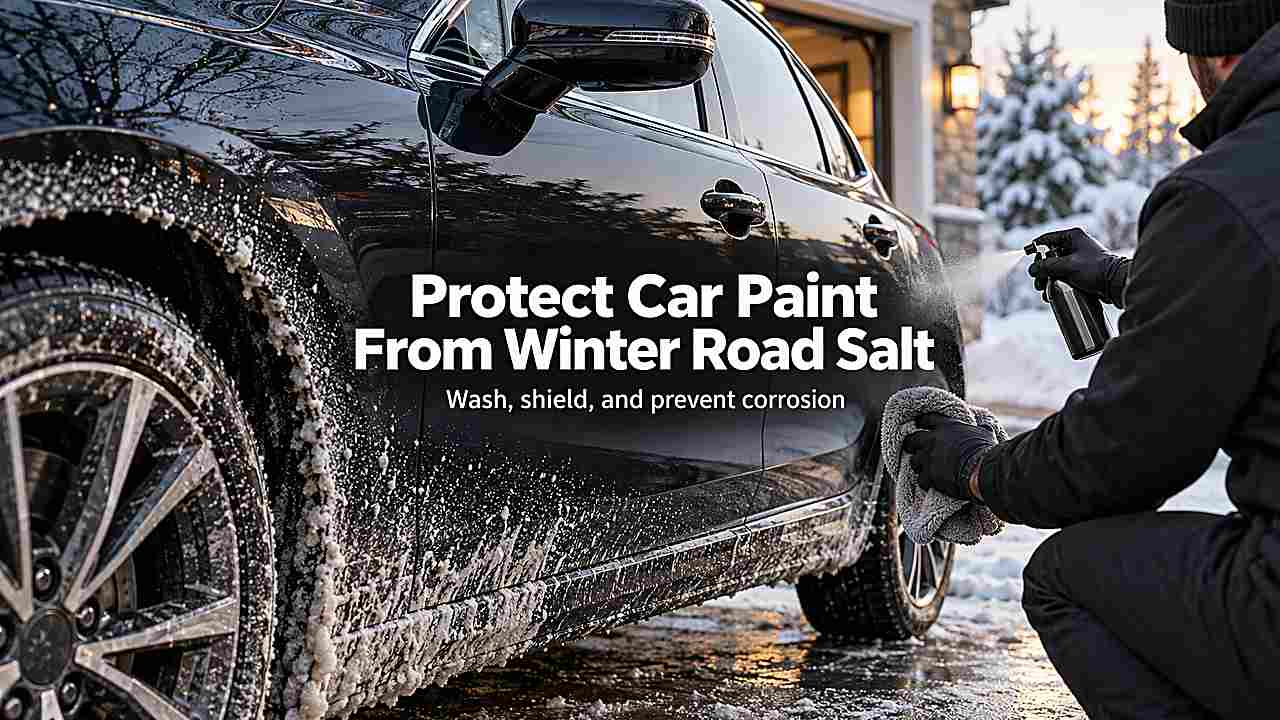
If you are researching how to protect car paint from road salt in winter, the most useful answer is the one that separates what is technically possible from what is financially or practically sensible. Small details such as paint condition, local rules, temperature, material or policy wording can completely change the right choice.
This guide focuses on the decision points that matter in real ownership, not viral shortcuts or one-size-fits-all claims. You will see where a DIY step is reasonable, where documentation matters and where a professional or state-specific answer is safer.
Protect winter paint by starting with a clean sealed surface, rinsing road salt off frequently, washing the undercarriage, repairing chips that expose metal and avoiding abrasive wiping of salty film. Wax, sealant or ceramic protection can make cleaning easier, but none replaces regular salt removal.
Why road salt is more than a cosmetic problem
In this article, why road salt is more than a cosmetic problem matters because it changes the practical decision in ways that are easy to miss from a quick glance. The details below show what you should verify before you spend money, alter the surface or assume two similar-looking situations need the same solution.
Salt and moisture accelerate corrosion on exposed metal
Road deicers dissolve into water and create an electrolyte that speeds electrochemical corrosion. Painted panels are protected until chips, seams or worn coating expose vulnerable metal. The undercarriage receives the heaviest spray and has many crevices where brine can remain. Regular removal reduces the time corrosive solution sits on the vehicle.
When you evaluate salt and moisture accelerate corrosion on exposed metal, treat it as one part of the decision rather than a shortcut. Compare it with the condition of your vehicle, the limits of the product or repair method, and any manufacturer, insurer or local requirements that apply before you move to a more aggressive step.
Dry salt crystals can also scratch paint if you wipe them
Winter grime is a mixture of salt, sand and road grit. A dry towel or snow brush dragged across salty paint can create swirls and scratches. Rinse loose contamination before contact washing whenever possible. Lubrication matters even when the car only looks dusty white.
When you evaluate dry salt crystals can also scratch paint if you wipe them, treat it as one part of the decision rather than a shortcut. Compare it with the condition of your vehicle, the limits of the product or repair method, and any manufacturer, insurer or local requirements that apply before you move to a more aggressive step.
Prepare the paint before the first heavy salting
In this article, prepare the paint before the first heavy salting matters because it changes the practical decision in ways that are easy to miss from a quick glance. The details below show what you should verify before you spend money, alter the surface or assume two similar-looking situations need the same solution.
Wash thoroughly and repair exposed chips
A pre-winter wash gives you a chance to see stone chips, scratches and failed touch-up. Seal exposed steel with proper touch-up before repeated brine exposure. Clean wheel arches and door jambs too. Starting winter with intact paint is more effective than trying to stop rust after it becomes visible.
When you evaluate wash thoroughly and repair exposed chips, treat it as one part of the decision rather than a shortcut. Compare it with the condition of your vehicle, the limits of the product or repair method, and any manufacturer, insurer or local requirements that apply before you move to a more aggressive step.
Apply durable paint protection
AAA recommends waxing before winter, and modern sealants or ceramic coatings can serve the same contamination-shedding role when properly maintained. Protection makes salty film easier to wash away and adds a sacrificial barrier over clear coat. It does not make the car salt-proof. You still need regular washing, especially underneath.
When you evaluate apply durable paint protection, treat it as one part of the decision rather than a shortcut. Compare it with the condition of your vehicle, the limits of the product or repair method, and any manufacturer, insurer or local requirements that apply before you move to a more aggressive step.
Wash salt off on a practical winter schedule
In this article, wash salt off on a practical winter schedule matters because it changes the practical decision in ways that are easy to miss from a quick glance. The details below show what you should verify before you spend money, alter the surface or assume two similar-looking situations need the same solution.
Rinse the vehicle and undercarriage regularly
Current AAA guidance suggests washing around every two weeks in winter and more often after heavily salted conditions. The exact interval should follow exposure, not the calendar. If your car is coated in brine after a storm, rinse it sooner. Use a wash that includes an underbody flush when possible.
When you evaluate rinse the vehicle and undercarriage regularly, treat it as one part of the decision rather than a shortcut. Compare it with the condition of your vehicle, the limits of the product or repair method, and any manufacturer, insurer or local requirements that apply before you move to a more aggressive step.
Choose a day when water can drain and doors can dry
Washing at extremely low temperature can freeze locks, seals and driveways. Use a commercial wash with heated facilities or choose a milder period if you wash outside. Dry door jambs and weatherstrips. A clean car that freezes shut creates a different problem.
When you evaluate choose a day when water can drain and doors can dry, treat it as one part of the decision rather than a shortcut. Compare it with the condition of your vehicle, the limits of the product or repair method, and any manufacturer, insurer or local requirements that apply before you move to a more aggressive step.
Focus on the areas salt attacks first
In this article, focus on the areas salt attacks first matters because it changes the practical decision in ways that are easy to miss from a quick glance. The details below show what you should verify before you spend money, alter the surface or assume two similar-looking situations need the same solution.
Lower doors, rockers and wheel arches collect spray
These surfaces receive salty slush directly from the tires. Rinse behind wheel-lip edges and around mud flaps. Do not forget the rear hatch or trunk seam where turbulence deposits grime. Inspect chips in these zones frequently because they see constant moisture.
When you evaluate lower doors, rockers and wheel arches collect spray, treat it as one part of the decision rather than a shortcut. Compare it with the condition of your vehicle, the limits of the product or repair method, and any manufacturer, insurer or local requirements that apply before you move to a more aggressive step.
The undercarriage needs attention even if the paint still looks perfect
Brake and fuel lines, fasteners, suspension parts, subframes and seams can corrode out of sight. Underbody rinsing is one of the most important winter steps. If you use a corrosion-inhibiting treatment, make sure it is compatible with the vehicle and applied correctly. Coating over existing trapped salt is not helpful.
When you evaluate the undercarriage needs attention even if the paint still looks perfect, treat it as one part of the decision rather than a shortcut. Compare it with the condition of your vehicle, the limits of the product or repair method, and any manufacturer, insurer or local requirements that apply before you move to a more aggressive step.
What not to do with a salty car
In this article, what not to do with a salty car matters because it changes the practical decision in ways that are easy to miss from a quick glance. The details below show what you should verify before you spend money, alter the surface or assume two similar-looking situations need the same solution.
Do not polish or dry-wipe through visible salt film
Salt crystals and winter grit are abrasive. Pre-rinse first, then use a lubricated wash method. Waterless washing is a poor choice when heavy salt is present because there is too much particulate contamination. A self-serve pressure rinse can be a useful first step for apartment dwellers.
When you evaluate do not polish or dry-wipe through visible salt film, treat it as one part of the decision rather than a shortcut. Compare it with the condition of your vehicle, the limits of the product or repair method, and any manufacturer, insurer or local requirements that apply before you move to a more aggressive step.
Do not assume a warm garage fixes corrosion
Warmth can accelerate corrosion when salty moisture remains on the vehicle. If you regularly park in a heated garage after driving through brine, rinsing becomes even more important. Clean and dry the car rather than letting salty slush melt repeatedly into seams. Warm storage works best with a clean vehicle.
When you evaluate do not assume a warm garage fixes corrosion, treat it as one part of the decision rather than a shortcut. Compare it with the condition of your vehicle, the limits of the product or repair method, and any manufacturer, insurer or local requirements that apply before you move to a more aggressive step.
A five-minute post-storm routine can prevent weeks of salt buildup
After a heavily treated commute, look at the wheel arches, rockers and lower doors before the residue dries into a thick film. If temperatures allow, a quick pressure rinse that includes the underbody removes much of the brine without a full hand wash. Do not scrub the paint at this stage. The objective is to shorten salt contact time and remove abrasive grit before it is touched.
At the next proper wash, use automotive shampoo, clean mitts and a thorough final rinse. Dry door jambs and seals so they do not freeze. Check fresh chips on the hood and rocker panels while the car is clean. This small inspection habit catches bare metal early and makes your pre-winter wax, sealant or coating far more effective.
Pre-rinse technique matters when the paint is covered in gritty brine
Start at the roof and upper body, then flush the lower doors, rockers, wheel arches and rear bumper where contamination is heaviest. Keep a pressure-washer nozzle at a paint-safe distance and use a broad fan rather than trying to blast individual salt crystals away from inches off the surface. The goal is to float off loose grit before a wash mitt touches the car. Repeated gentle rinsing is safer than one aggressive concentrated jet.
If you use a self-serve bay, skip the communal brush on glossy paint unless you know it is perfectly clean. Those brushes can hold grit from wheels and muddy trucks. Use the pressure rinse to remove salt, then perform your own contact wash with clean media when conditions permit. This simple separation protects clear coat while still giving the undercarriage the flushing it needs.
Wheels and lower plastic trim deserve separate wash tools because they collect the dirtiest salt mixture. Do not bring a wheel brush or heavily contaminated towel onto the paint. If you use a spray sealant as a winter drying aid, apply it only after the panel has been rinsed and washed clean. Lubrication can help drying, but no detailing product makes it safe to wipe gritty brine. Clean-media discipline is one of the simplest ways to keep winter protection from turning into spring paint correction.
Rinse the places that hold salty water after the visible body looks clean
Road salt does not stay only on the doors and bumpers you can see. Slush collects behind wheel openings, on rocker seams, around lower suspension areas and across the underbody, then becomes concentrated as the water evaporates. When you use a winter wash, choose one that can rinse the wheel wells and undercarriage as well as the paint. You do not need to scrub these hidden areas every time, but removing the salty film regularly reduces how long corrosive brine stays in contact with metal and fasteners.
Repair chips before they become winter corrosion sites
Paint protection works best when the coating system is still intact. If you find stone chips on the hood, roof edge, rocker panels or wheel arches, clean and touch them up before repeated salt exposure whenever practical. Wax, sealant and ceramic products can make washing easier, but they cannot replace missing paint over bare steel. A small chip addressed early is easier to manage than corrosion that creeps under the surrounding finish and later requires sanding and refinishing.
Frequently Asked Questions
These questions address the issues that most often cause confusion around how to protect car paint from road salt in winter. They are useful for checking your plan before you spend money, alter the vehicle or rely on a rule that may not apply to your exact situation.
How often should you wash a car in road salt?
A practical starting point is about every two weeks during active winter salt exposure, with additional rinses after heavily treated storms. Cars driven daily on brined roads may need more frequent underbody cleaning. The goal is to minimize how long salt remains. Weather and local road treatment determine the real interval.
The most reliable answer comes from the specific vehicle and documentation rather than an internet average. Keep photos, estimates and policy or product paperwork when they affect the decision.
Is ceramic coating better than wax for road salt?
A durable coating can last longer and make grime release easier, while wax is cheaper and simple to renew. Neither prevents corrosion where paint is chipped or on unprotected underbody components. Choose the protection system you will maintain consistently. Washing remains essential.
You do not need to solve every variable yourself. A qualified repairer, glass shop, insurer or state regulator can confirm the details that are specific to your situation.
Should you wash the car when it is below freezing?
Only if you can control freezing afterward. Heated commercial washes are useful in severe winter, and door jambs should be dried. Avoid creating ice on the driveway or freezing locks and seals. A slightly warmer day can make home washing safer.
If your vehicle, policy or product falls outside the normal case, verify the exact instructions before acting. That extra check is especially worthwhile when the downside includes paint damage, broken glass or a disputed claim.
Does road salt damage clear coat?
Salt and grit can degrade appearance and contribute to corrosion when coating is damaged. The larger long-term risk is salt reaching exposed metal and underbody components. Do not scrub salt crystals into clear coat. Keep the surface protected and rinse frequently.
The most reliable answer comes from the specific vehicle and documentation rather than an internet average. Keep photos, estimates and policy or product paperwork when they affect the decision.
Is undercoating worth it?
It depends on vehicle age, existing factory protection, climate and product type. Some corrosion-inhibiting treatments can be helpful, but improper application can trap contamination or block drains. Have the underbody cleaned and inspected first. Regular washing is still required.
You do not need to solve every variable yourself. A qualified repairer, glass shop, insurer or state regulator can confirm the details that are specific to your situation.
Conclusion
Protect winter paint by starting with a clean sealed surface, rinsing road salt off frequently, washing the undercarriage, repairing chips that expose metal and avoiding abrasive wiping of salty film. Wax, sealant or ceramic protection can make cleaning easier, but none replaces regular salt removal.
Your best next step is to verify the condition, documents or operating limits that control your specific case, then choose the least aggressive solution that fully addresses the problem. That approach gives you better odds of protecting the vehicle, your coverage and your budget at the same time.