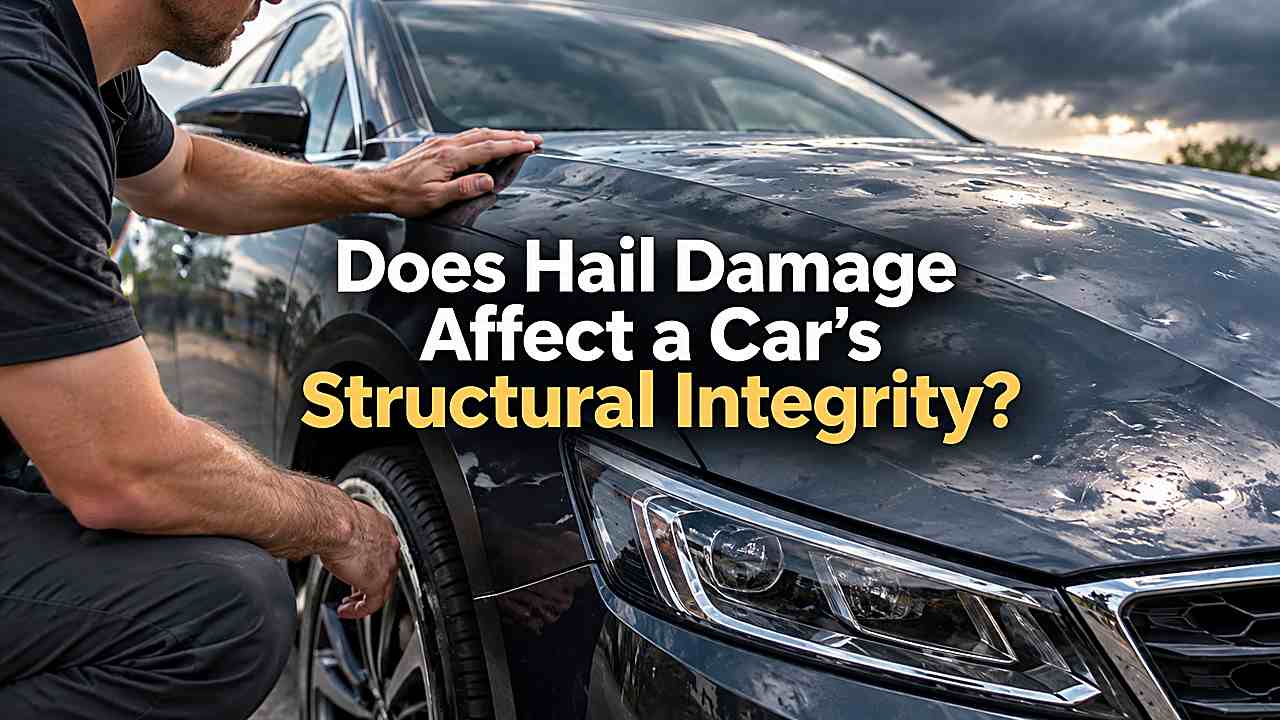
If you are researching does hail damage affect the structural integrity of a car, the quickest answer is rarely the whole answer. The condition of the vehicle, the material involved and what you plan to do next can change the safest and most economical approach.
This guide focuses on the decisions that matter in real ownership rather than a one-size-fits-all shortcut. You will see what to inspect first, what can reasonably be handled yourself and where a professional estimate or inspection becomes the smarter move.
Most ordinary hail dents in outer body panels are cosmetic and do not reduce structural integrity, but very large hail or associated storm damage can affect roof rails, pillars, glass, seams and safety-related components. Location and severity matter more than dent count alone.
Outer body skins are not the same as structural components
A dented hood or roof skin can look severe while the safety cell remains sound
Modern vehicles use thin exterior panels for shape and aerodynamics over a stronger underlying structure. Hail often dents those skins without moving the reinforcement below. That is why a small test or inspection step should come before a more aggressive method. You get better results when you know what changed after each pass instead of repeating the same process blindly.
That is why paintless dent repair can restore many heavily dimpled cars. Cosmetic appearance alone does not prove the structure is compromised. If your vehicle has previous bodywork, unusual materials or aftermarket protection, mention that before treatment or repair. Those details can change compatibility, labor and the point at which professional help becomes the safer choice.
Pillars, rails and reinforcements carry different responsibilities
A-pillars, B-pillars, roof rails, rocker structures and specific reinforcements contribute to crash performance. If storm debris or exceptionally large hail visibly deforms these areas, the vehicle deserves collision-repair inspection rather than cosmetic PDR screening alone. Good lighting and a clean surface make this judgment much easier. Dirt, gloss enhancers and shadows can hide defects or make harmless texture look worse than it really is.
Repair procedures for structural materials are model-specific. You should also consider the cost of creating a new problem. A conservative process that leaves a small cosmetic imperfection is often preferable to removing too much clear coat, damaging trim or disturbing a safety-related component.
Signs that hail may have caused more than cosmetic damage
Broken glass and crushed roof edges suggest higher impact energy
A cracked windshield does not automatically mean the body structure moved, but it shows the storm delivered significant force. Inspect roof edges, rails, sunroof openings and body seams carefully. The practical goal is a stable result, not a dramatic before-and-after created by excessive force. If the recommended method stops producing improvement, reassess rather than escalating automatically.
Panel gaps that changed after the storm deserve attention. You should also look for water intrusion after broken glass or seal damage. That is why a small test or inspection step should come before a more aggressive method. You get better results when you know what changed after each pass instead of repeating the same process blindly.
Doors, hatch or sunroof that no longer fit normally are warning signs
A purely cosmetic hail dent should not usually make a door bind or a roof opening stop sealing. Functional change can point to broader deformation or damaged hardware. If your vehicle has previous bodywork, unusual materials or aftermarket protection, mention that before treatment or repair. Those details can change compatibility, labor and the point at which professional help becomes the safer choice.
Do not force a misaligned sunroof or hatch closed repeatedly. A body shop can measure alignment and inspect hidden supports. Good lighting and a clean surface make this judgment much easier. Dirt, gloss enhancers and shadows can hide defects or make harmless texture look worse than it really is.
Why repair method depends on what was hit
PDR is appropriate for suitable outer-panel deformation
When paint is intact and the metal can be returned to shape, PDR avoids unnecessary cutting, welding and repainting. It does not verify the condition of hidden structural components after a severe event. You should also consider the cost of creating a new problem. A conservative process that leaves a small cosmetic imperfection is often preferable to removing too much clear coat, damaging trim or disturbing a safety-related component.
A reputable PDR technician should refer the vehicle for collision assessment if the damage falls outside cosmetic sheet metal. The practical goal is a stable result, not a dramatic before-and-after created by excessive force. If the recommended method stops producing improvement, reassess rather than escalating automatically.
Structural parts may have manufacturer restrictions on straightening
Advanced high-strength steel, aluminum and bonded structures can have strict repair or replacement rules. Heating or pulling the wrong part can change its properties. That is why a small test or inspection step should come before a more aggressive method. You get better results when you know what changed after each pass instead of repeating the same process blindly.
Collision facilities use OEM procedures to decide what can be repaired. You should not assume a dent in a pillar can be handled like a dent in a door skin. If your vehicle has previous bodywork, unusual materials or aftermarket protection, mention that before treatment or repair. Those details can change compatibility, labor and the point at which professional help becomes the safer choice.
How hail can create secondary safety problems
Glass damage can affect visibility and driver-assistance cameras
Windshields may support cameras, rain sensors and head-up displays. Replacement can require calibration of advanced driver-assistance systems. Good lighting and a clean surface make this judgment much easier. Dirt, gloss enhancers and shadows can hide defects or make harmless texture look worse than it really is.
A small crack can also spread after temperature changes. Repairing dents while ignoring damaged glass can leave the vehicle unsafe or unreliable. You should also consider the cost of creating a new problem. A conservative process that leaves a small cosmetic imperfection is often preferable to removing too much clear coat, damaging trim or disturbing a safety-related component.
Water intrusion can damage electronics and corrosion protection
Broken glass, damaged seals or distorted roof openings can allow rainwater into the cabin. Wet headliners and pillars may expose wiring or safety components to moisture. The practical goal is a stable result, not a dramatic before-and-after created by excessive force. If the recommended method stops producing improvement, reassess rather than escalating automatically.
Dry the interior and repair the leak promptly. Structural integrity may be intact while electrical and corrosion problems still develop. That is why a small test or inspection step should come before a more aggressive method. You get better results when you know what changed after each pass instead of repeating the same process blindly.
What to request after an extreme hailstorm
Ask for a collision inspection if rails, pillars or operation look abnormal
The inspection should focus on body alignment, seams, glass openings and structural components, not only the dent count. Photos under PDR lighting are useful for surface damage but do not replace measurement when structure is in question. If your vehicle has previous bodywork, unusual materials or aftermarket protection, mention that before treatment or repair. Those details can change compatibility, labor and the point at which professional help becomes the safer choice.
If the car was also struck by falling debris, disclose that event. Good lighting and a clean surface make this judgment much easier. Dirt, gloss enhancers and shadows can hide defects or make harmless texture look worse than it really is.
Keep documentation if you plan to sell the vehicle later
Repair invoices and before-and-after photos help explain that damage was cosmetic when that is the case. Vehicle-history databases may not contain every event, so your own records can add context. You should also consider the cost of creating a new problem. A conservative process that leaves a small cosmetic imperfection is often preferable to removing too much clear coat, damaging trim or disturbing a safety-related component.
A buyer may still choose an independent inspection. Transparency is more useful than simply saying the hail was minor. The practical goal is a stable result, not a dramatic before-and-after created by excessive force. If the recommended method stops producing improvement, reassess rather than escalating automatically.
Frequently Asked Questions
These questions address the issues that most often come up when you are dealing with does hail damage affect the structural integrity of a car. They also clarify where a general rule stops being useful and the condition of the specific vehicle, policy, surface or repair has to decide the answer.
Can hundreds of hail dents still be only cosmetic?
Yes. A vehicle can have extensive dimpling in outer panels while the underlying safety structure remains undamaged. That is why a small test or inspection step should come before a more aggressive method. You get better results when you know what changed after each pass instead of repeating the same process blindly.
Dent count alone does not establish structural damage. Depth, location, glass damage and changes in panel fit are more important. Severe storms still justify careful inspection. If your vehicle has previous bodywork, unusual materials or aftermarket protection, mention that before treatment or repair. Those details can change compatibility, labor and the point at which professional help becomes the safer choice.
Can hail weaken a car roof?
Small dents in the outer roof skin generally do not meaningfully weaken the safety cage. Damage to roof rails, pillars, cross-members or seams is more significant. Good lighting and a clean surface make this judgment much easier. Dirt, gloss enhancers and shadows can hide defects or make harmless texture look worse than it really is.
If the roof opening, rails or door fit changed, have a collision shop inspect it. Do not judge strength from the skin’s appearance alone. You should also consider the cost of creating a new problem. A conservative process that leaves a small cosmetic imperfection is often preferable to removing too much clear coat, damaging trim or disturbing a safety-related component.
Does PDR restore structural strength?
PDR is intended for suitable cosmetic sheet-metal deformation. It does not replace structural repair or prove that hidden reinforcements are undamaged. The practical goal is a stable result, not a dramatic before-and-after created by excessive force. If the recommended method stops producing improvement, reassess rather than escalating automatically.
If only the outer skin is dented, preserving it can be appropriate. Structural concerns require OEM-based collision assessment. That is why a small test or inspection step should come before a more aggressive method. You get better results when you know what changed after each pass instead of repeating the same process blindly.
Should I avoid buying a car with repaired hail damage?
Not automatically. Well-repaired cosmetic hail can be a reasonable purchase if the price reflects history and an independent inspection finds no structural, paint or water problems. If your vehicle has previous bodywork, unusual materials or aftermarket protection, mention that before treatment or repair. Those details can change compatibility, labor and the point at which professional help becomes the safer choice.
Ask for repair documentation. Do not rely only on a clean history report because not every damage event is reported. Good lighting and a clean surface make this judgment much easier. Dirt, gloss enhancers and shadows can hide defects or make harmless texture look worse than it really is.
Can hail damage affect airbags?
Normal exterior hail dents are unlikely to affect airbags directly. A severe storm combined with broken glass, water intrusion or structural deformation near sensor or module locations creates a different situation. You should also consider the cost of creating a new problem. A conservative process that leaves a small cosmetic imperfection is often preferable to removing too much clear coat, damaging trim or disturbing a safety-related component.
Warning lights or electrical faults should be diagnosed. Do not clear safety-system codes merely to remove the warning lamp. The practical goal is a stable result, not a dramatic before-and-after created by excessive force. If the recommended method stops producing improvement, reassess rather than escalating automatically.
Conclusion
Most ordinary hail dents in outer body panels are cosmetic and do not reduce structural integrity, but very large hail or associated storm damage can affect roof rails, pillars, glass, seams and safety-related components. Location and severity matter more than dent count alone. The important part is applying that answer to the actual condition in front of you rather than forcing a universal rule onto every vehicle.
Your next step should be the lowest-risk action that gives you better information: inspect carefully, test a small area, verify the policy or product instructions, compare current market evidence or obtain a qualified professional assessment. That keeps the decision practical and protects the value of the vehicle.