If you are researching does a ceramic coating protect against hail, the most useful answer is the one that separates what is technically possible from what is financially or practically sensible. Small details such as paint condition, local rules, temperature, material or policy wording can completely change the right choice.
This guide focuses on the decision points that matter in real ownership, not viral shortcuts or one-size-fits-all claims. You will see where a DIY step is reasonable, where documentation matters and where a professional or state-specific answer is safer.
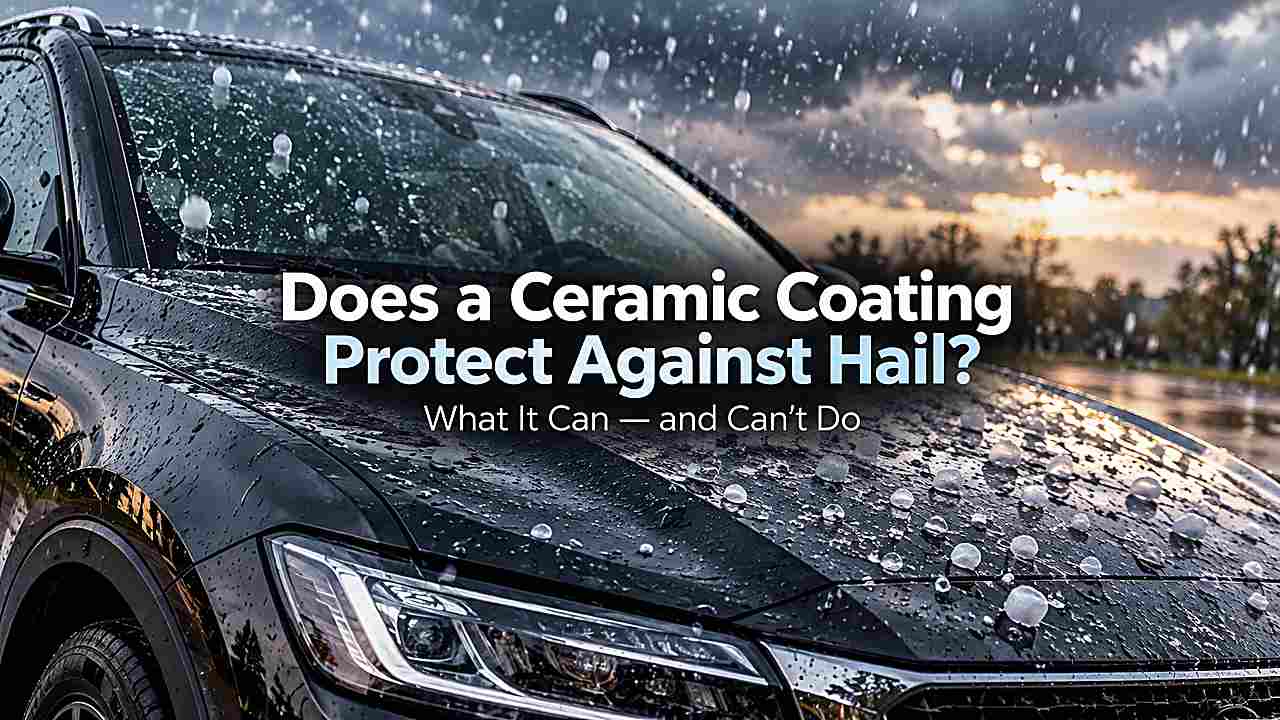
A ceramic coating does not provide meaningful protection against hail dents. Automotive coatings are extremely thin and are designed mainly for chemical resistance, easier cleaning, gloss and some resistance to light marring. Hail protection requires physical impact absorption from solid cover, thick padding or substantial flexible material.
Why ceramic hardness is often misunderstood
In this article, why ceramic hardness is often misunderstood matters because it changes the practical decision in ways that are easy to miss from a quick glance. The details below show what you should verify before you spend money, alter the surface or assume two similar-looking situations need the same solution.
A hard coating is not a thick impact absorber
Ceramic products cure into a thin protective layer measured in microns, not the millimeters of cushioning needed to absorb hail energy. Gtechniq notes that typical ceramic coating thickness is around a micron and specifically warns that coatings cannot provide meaningful stone-chip protection. Hailstones carry far more impact energy than wash marring. A hardness rating does not change that geometry.
When you evaluate a hard coating is not a thick impact absorber, treat it as one part of the decision rather than a shortcut. Compare it with the condition of your vehicle, the limits of the product or repair method, and any manufacturer, insurer or local requirements that apply before you move to a more aggressive step.
Scratch resistance and dent resistance are different properties
A hard thin film can reduce very fine wash marks and resist chemical staining better than bare clear coat. Dent prevention requires the surface to absorb and spread a concentrated impact before the sheet metal deforms. Thin ceramic cannot do that. You should treat it as paint-surface protection, not body armor.
When you evaluate scratch resistance and dent resistance are different properties, treat it as one part of the decision rather than a shortcut. Compare it with the condition of your vehicle, the limits of the product or repair method, and any manufacturer, insurer or local requirements that apply before you move to a more aggressive step.
What ceramic coating may still help with after a storm
In this article, what ceramic coating may still help with after a storm matters because it changes the practical decision in ways that are easy to miss from a quick glance. The details below show what you should verify before you spend money, alter the surface or assume two similar-looking situations need the same solution.
It can make grime and mineral cleanup easier
After severe weather, coated paint often releases dirt and water deposits more easily because of hydrophobic surface behavior. That can reduce scrubbing during cleanup. The coating may also help resist some chemical contamination. Those benefits remain valuable even though they do not stop dents.
When you evaluate it can make grime and mineral cleanup easier, treat it as one part of the decision rather than a shortcut. Compare it with the condition of your vehicle, the limits of the product or repair method, and any manufacturer, insurer or local requirements that apply before you move to a more aggressive step.
It may reduce very light surface marring from debris
Small dust, leaves and light debris can create minor rubbing marks, and a coating offers a sacrificial surface layer. That is a different threat from a dense hailstone striking at high speed. Do not confuse a cleaner-looking panel with impact protection. A coated hood can still be covered in dents after severe hail.
When you evaluate it may reduce very light surface marring from debris, treat it as one part of the decision rather than a shortcut. Compare it with the condition of your vehicle, the limits of the product or repair method, and any manufacturer, insurer or local requirements that apply before you move to a more aggressive step.
How PPF compares with ceramic coating
In this article, how ppf compares with ceramic coating matters because it changes the practical decision in ways that are easy to miss from a quick glance. The details below show what you should verify before you spend money, alter the surface or assume two similar-looking situations need the same solution.
Paint protection film is much thicker and more flexible
Quality PPF is often around 150 microns thick, far thicker than ceramic coating, and its flexible urethane construction helps absorb small chips and abrasions. That is why PPF is effective against road debris in ways coating is not. Even PPF is not a guarantee against hail dents because the metal under the film can still deform. Film mainly protects the finish, not the panel structure.
When you evaluate paint protection film is much thicker and more flexible, treat it as one part of the decision rather than a shortcut. Compare it with the condition of your vehicle, the limits of the product or repair method, and any manufacturer, insurer or local requirements that apply before you move to a more aggressive step.
PPF can reduce paint chipping in some hail events
A thick film may keep some small impacts from breaking the paint, which can preserve PDR options if dents occur. Very large hail can still tear film, crack glass and dent panels beneath it. If hail is your main concern, physical overhead shelter is far more important. PPF should be chosen for its broader paint-protection benefits, not as a hail shield.
When you evaluate ppf can reduce paint chipping in some hail events, treat it as one part of the decision rather than a shortcut. Compare it with the condition of your vehicle, the limits of the product or repair method, and any manufacturer, insurer or local requirements that apply before you move to a more aggressive step.
What actually protects a car from hail
In this article, what actually protects a car from hail matters because it changes the practical decision in ways that are easy to miss from a quick glance. The details below show what you should verify before you spend money, alter the surface or assume two similar-looking situations need the same solution.
A solid garage or rated carport is the best solution
A roof stops the hail before it reaches the vehicle. If you do not have a garage, move to a public parking structure when warnings allow. A permanent or portable carport should be rated for the weather loads in your area. Personal safety comes first during the storm.
When you evaluate a solid garage or rated carport is the best solution, treat it as one part of the decision rather than a shortcut. Compare it with the condition of your vehicle, the limits of the product or repair method, and any manufacturer, insurer or local requirements that apply before you move to a more aggressive step.
Padded or inflatable hail covers provide impact cushioning
Purpose-built hail covers add physical thickness between hail and the body. Padded foam can reduce impact, while inflatable systems create a larger air buffer. No cover should be treated as a guarantee against extreme hail. Deploy it before dangerous weather arrives, not during the storm.
When you evaluate padded or inflatable hail covers provide impact cushioning, treat it as one part of the decision rather than a shortcut. Compare it with the condition of your vehicle, the limits of the product or repair method, and any manufacturer, insurer or local requirements that apply before you move to a more aggressive step.
How to combine coating with real hail protection
In this article, how to combine coating with real hail protection matters because it changes the practical decision in ways that are easy to miss from a quick glance. The details below show what you should verify before you spend money, alter the surface or assume two similar-looking situations need the same solution.
Keep ceramic for maintenance and use shelter for impact
A coated car is easier to wash and can maintain gloss through harsh weather, so there is no reason to remove the coating. Just give it the correct job. Use weather alerts, covered parking and a hail-rated cover for impact risk. This layered strategy addresses both surface contamination and physical damage.
When you evaluate keep ceramic for maintenance and use shelter for impact, treat it as one part of the decision rather than a shortcut. Compare it with the condition of your vehicle, the limits of the product or repair method, and any manufacturer, insurer or local requirements that apply before you move to a more aggressive step.
Inspect the coating after hail repair
PDR usually preserves paint and may leave most coating intact, but glue pulling and panel cleaning can affect coated areas. Conventional body repair will remove the coating on refinished panels. Ask the repairer what surface preparation was used. Reapply coating or topper only after the paint or repair process is ready for it.
When you evaluate inspect the coating after hail repair, treat it as one part of the decision rather than a shortcut. Compare it with the condition of your vehicle, the limits of the product or repair method, and any manufacturer, insurer or local requirements that apply before you move to a more aggressive step.
Why coating marketing language should not be confused with impact testing
Terms such as hardness, scratch resistance and chemical resistance describe specific coating behaviors, but they do not mean the coating has enough thickness to absorb a hailstone. A ceramic layer may be around a micron thick, while paint protection film is roughly two orders of magnitude thicker. Even that much thicker film cannot guarantee the metal beneath it will resist a severe impact. Dent prevention requires energy absorption on a completely different scale.
When you compare detailing products, ask what type of damage the manufacturer actually claims to address. A coating can be excellent at resisting bird-dropping etching, making road film easier to wash and reducing fine marring while still offering essentially no hail-dent protection. Giving each product the right job prevents expensive disappointment and keeps your hail plan focused on shelter and physical cushioning.
Where ceramic coating still earns its cost in severe-weather regions
Hail is only one weather threat. A quality coating can make it easier to remove bug residue, mineral deposits, road film and bird droppings that arrive with normal outdoor parking. It can also keep a repaired panel easier to maintain afterward. Those benefits are real and useful, especially on a daily driver that lives outside. They simply belong in a different category from impact protection.
If you are deciding where to spend money specifically for hail risk, prioritize a garage, rated carport or serious hail cover before adding another layer of coating. If your broader goal is gloss and easier maintenance, ceramic may still be worthwhile. Matching the purchase to the problem prevents a detailing product from being judged against a job it was never designed to perform.
A useful rule is to judge protection by thickness and energy absorption. A coating measured in microns cannot cushion a stone of ice in the same way that foam, air or a rigid roof can. This does not make ceramic coating ineffective; it simply defines its job correctly. If hail risk is frequent where you live, spend impact-protection money on shelter first and surface-maintenance money on coatings second. That ordering gives you both physical protection and easier cleanup without expecting one product to solve unrelated problems.
Frequently Asked Questions
These questions address the issues that most often cause confusion around does a ceramic coating protect against hail. They are useful for checking your plan before you spend money, alter the vehicle or rely on a rule that may not apply to your exact situation.
Will a 9H ceramic coating stop small hail dents?
No. The 9H label describes a hardness test concept, not the ability to absorb hail impact. The coating is far too thin to prevent sheet metal from deforming. It may protect against some chemical staining and light marring. Use physical shelter for hail.
You do not need to solve every variable yourself. A qualified repairer, glass shop, insurer or state regulator can confirm the details that are specific to your situation.
Can ceramic coating prevent hail paint chips?
It may add a small sacrificial surface layer, but it should not be relied on to stop paint chipping from meaningful hail impact. Large stones can overwhelm the coating and clear coat together. PPF provides much more physical thickness, yet it still cannot guarantee dent prevention.
If your vehicle, policy or product falls outside the normal case, verify the exact instructions before acting. That extra check is especially worthwhile when the downside includes paint damage, broken glass or a disputed claim.
Does PPF make a car hail-proof?
No. PPF is excellent for stone chips and abrasion because it is thick and flexible compared with ceramic coating. Hail can still transfer enough force through the film to dent the metal. Very large hail can also damage the film and glass. A garage or sturdy overhead cover remains better protection.
The most reliable answer comes from the specific vehicle and documentation rather than an internet average. Keep photos, estimates and policy or product paperwork when they affect the decision.
Should I claim hail damage if my ceramic coating still looks intact?
Coating appearance does not tell you whether the metal is dented. Inspect the vehicle in reflected light and check glass, trim and paint. If repair cost is significantly above your comprehensive deductible, a claim may make sense. Document the damage before correction.
You do not need to solve every variable yourself. A qualified repairer, glass shop, insurer or state regulator can confirm the details that are specific to your situation.
Will PDR remove my ceramic coating?
Rod-based PDR works from behind the panel and often leaves the exterior coating largely undisturbed. Glue pulling requires cleaning and adhesive contact on the surface, which can reduce or remove coating locally. Ask the technician how the area will be prepared and whether reapplication is recommended.
If your vehicle, policy or product falls outside the normal case, verify the exact instructions before acting. That extra check is especially worthwhile when the downside includes paint damage, broken glass or a disputed claim.
Conclusion
A ceramic coating does not provide meaningful protection against hail dents. Automotive coatings are extremely thin and are designed mainly for chemical resistance, easier cleaning, gloss and some resistance to light marring. Hail protection requires physical impact absorption from solid cover, thick padding or substantial flexible material.
Your best next step is to verify the condition, documents or operating limits that control your specific case, then choose the least aggressive solution that fully addresses the problem. That approach gives you better odds of protecting the vehicle, your coverage and your budget at the same time.