If you are researching buying a hail damaged car with a clean title, the most useful answer is the one that separates what is technically possible from what is financially or practically sensible. Small details such as paint condition, local rules, temperature, material or policy wording can completely change the right choice.
This guide focuses on the decision points that matter in real ownership, not viral shortcuts or one-size-fits-all claims. You will see where a DIY step is reasonable, where documentation matters and where a professional or state-specific answer is safer.
A clean title does not mean a hail-damaged car was never damaged or never had an insurance claim. It only means the current title does not carry a salvage or similar brand. You still need a careful inspection, history check, repair estimate and insurance quote before deciding whether the discount is worthwhile.
What a clean title actually means
In this article, what a clean title actually means matters because it changes the practical decision in ways that are easy to miss from a quick glance. The details below show what you should verify before you spend money, alter the surface or assume two similar-looking situations need the same solution.
Title status and damage history are separate systems
A car can suffer cosmetic hail, be repaired, and keep a clean title if it was never declared a total loss under the applicable rules. A private-pay repair may also leave little formal history. Conversely, a total-loss event can trigger branding requirements that vary by state. You should not use the phrase clean title as shorthand for no previous damage.
When you evaluate title status and damage history are separate systems, treat it as one part of the decision rather than a shortcut. Compare it with the condition of your vehicle, the limits of the product or repair method, and any manufacturer, insurer or local requirements that apply before you move to a more aggressive step.
Vehicle-history reports are useful but incomplete
History services collect data from insurers, repair facilities, police, DMVs and other sources, but not every event is reported. A clean report therefore does not prove the body is original. Inspect paint texture, dents, PDR tool marks and panel fit. Use the report as one layer of due diligence rather than the final answer.
When you evaluate vehicle-history reports are useful but incomplete, treat it as one part of the decision rather than a shortcut. Compare it with the condition of your vehicle, the limits of the product or repair method, and any manufacturer, insurer or local requirements that apply before you move to a more aggressive step.
Inspect the car specifically for hail-related problems
In this article, inspect the car specifically for hail-related problems matters because it changes the practical decision in ways that are easy to miss from a quick glance. The details below show what you should verify before you spend money, alter the surface or assume two similar-looking situations need the same solution.
Look across the roof, hood and trunk in reflected light
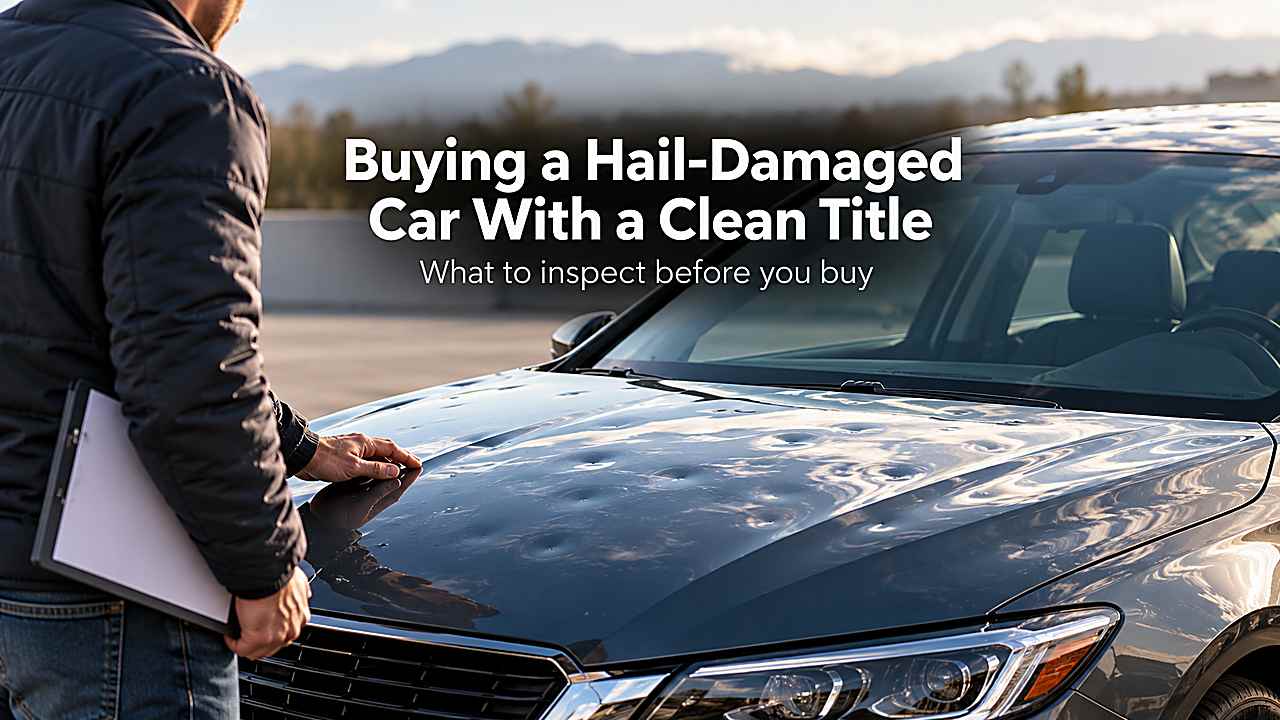
Hail dents can disappear in cloudy lighting. View the vehicle under bright linear reflections or take it to a PDR shop for inspection. Check roof rails, upper doors and quarter panels, not just horizontal panels. A seller may honestly underestimate how much unrepaired hail remains.
When you evaluate look across the roof, hood and trunk in reflected light, treat it as one part of the decision rather than a shortcut. Compare it with the condition of your vehicle, the limits of the product or repair method, and any manufacturer, insurer or local requirements that apply before you move to a more aggressive step.
Check paint for cracks, chips and poor conventional repairs
PDR itself preserves paint, but severe hail sometimes receives filler and refinishing. Look for overspray, sanding marks, texture changes and color mismatch. A paint-thickness gauge can help identify refinished metal panels when used correctly. Cracked paint or exposed metal can become a corrosion issue later.
When you evaluate check paint for cracks, chips and poor conventional repairs, treat it as one part of the decision rather than a shortcut. Compare it with the condition of your vehicle, the limits of the product or repair method, and any manufacturer, insurer or local requirements that apply before you move to a more aggressive step.
Price the remaining damage before you negotiate the car
In this article, price the remaining damage before you negotiate the car matters because it changes the practical decision in ways that are easy to miss from a quick glance. The details below show what you should verify before you spend money, alter the surface or assume two similar-looking situations need the same solution.
A PDR estimate turns cosmetic uncertainty into a number
Have a reputable hail or PDR shop inspect the car before purchase if possible. The estimate should identify panels that are repairable without paint and any areas needing conventional work. A low purchase price can stop looking attractive when roof rails, aluminum panels or glass are involved. Use the repair cost to evaluate total ownership cost.
When you evaluate a pdr estimate turns cosmetic uncertainty into a number, treat it as one part of the decision rather than a shortcut. Compare it with the condition of your vehicle, the limits of the product or repair method, and any manufacturer, insurer or local requirements that apply before you move to a more aggressive step.
Decide whether you can live with dents permanently
You do not have to repair purely cosmetic hail if it does not compromise paint, glass or function and no lender or lease term requires repair. Some buyers intentionally purchase hail cars at a discount and drive them as-is. That can be rational if the price reflects the condition. Your resale audience will likely make the same discount later.
When you evaluate decide whether you can live with dents permanently, treat it as one part of the decision rather than a shortcut. Compare it with the condition of your vehicle, the limits of the product or repair method, and any manufacturer, insurer or local requirements that apply before you move to a more aggressive step.
Insurance and financing deserve a pre-purchase check
In this article, insurance and financing deserve a pre-purchase check matters because it changes the practical decision in ways that are easy to miss from a quick glance. The details below show what you should verify before you spend money, alter the surface or assume two similar-looking situations need the same solution.
Ask how the insurer will handle pre-existing hail damage
An insurer will not pay a future claim to fix damage that existed before the policy. Some companies may document the dents or restrict physical-damage coverage until repairs are verified. Get a quote using the actual VIN and disclose known damage. You do not want to discover a coverage limitation after the next storm.
When you evaluate ask how the insurer will handle pre-existing hail damage, treat it as one part of the decision rather than a shortcut. Compare it with the condition of your vehicle, the limits of the product or repair method, and any manufacturer, insurer or local requirements that apply before you move to a more aggressive step.
Lenders may have condition requirements
A lender financing a used vehicle may require comprehensive and collision coverage and may have its own concerns about existing damage or value. The car’s collateral value matters. If financing is part of your purchase, complete the insurance and lender checks before committing. Cash buyers have more flexibility but still face resale effects.
When you evaluate lenders may have condition requirements, treat it as one part of the decision rather than a shortcut. Compare it with the condition of your vehicle, the limits of the product or repair method, and any manufacturer, insurer or local requirements that apply before you move to a more aggressive step.
When the deal is attractive and when to walk away
In this article, when the deal is attractive and when to walk away matters because it changes the practical decision in ways that are easy to miss from a quick glance. The details below show what you should verify before you spend money, alter the surface or assume two similar-looking situations need the same solution.
A strong candidate has intact paint, sound glass and a discount larger than the downside
If the dents are cosmetic, the structure and glass are sound, maintenance is good and the price reflects repair cost plus resale stigma, a hail car can be a practical purchase. An independent pre-purchase inspection should still cover mechanical systems. Hail does not excuse neglect elsewhere on the vehicle.
When you evaluate a strong candidate has intact paint, sound glass and a discount larger than the downside, treat it as one part of the decision rather than a shortcut. Compare it with the condition of your vehicle, the limits of the product or repair method, and any manufacturer, insurer or local requirements that apply before you move to a more aggressive step.
Walk away when title, seller story and physical evidence conflict
If the seller claims minor hail but you find extensive repainting, replaced roof structures, broken safety glass or suspicious paperwork, slow down. Verify the VIN, title and repair history. A bargain is not worthwhile when you cannot establish what happened. Uncertainty itself has financial value and should be reflected in your decision.
When you evaluate walk away when title, seller story and physical evidence conflict, treat it as one part of the decision rather than a shortcut. Compare it with the condition of your vehicle, the limits of the product or repair method, and any manufacturer, insurer or local requirements that apply before you move to a more aggressive step.
Calculate the real discount instead of focusing on sticker price
Add the purchase price, immediate safety repairs, expected PDR or bodywork, glass replacement, inspection fees and any insurance restrictions you discover. Then compare that total with the market price of a similar undamaged vehicle. A $4,000 discount can disappear quickly if the roof needs conventional repair and the windshield has an expensive camera system. You should also leave a margin for defects that are not obvious during the first inspection.
If you plan to drive the car with dents unrepaired, compare the price with other cosmetically damaged vehicles rather than pretending the dents have no future cost. You will likely face the same condition deduction when you sell or trade it. A hail car is most attractive when the discount is large enough that you remain comfortable even if you never recover the repair money at resale.
Use an independent inspection even if you plan to leave the dents alone
A hail sale can distract you from ordinary used-car risks. Have the brakes, tires, suspension, cooling system, fluid leaks, scan data and maintenance condition checked just as you would on an undamaged vehicle. Severe storms can also break lamps, roof trim and glass seals that are not obvious during a quick walkaround. A discounted hood does not compensate for a neglected transmission or hidden water leak.
Ask the inspector to look for evidence of previous collision repair separately from hail. Mismatched panel gaps, structural welds and heavy filler are different concerns from shallow PDR-type dents. A car can have both histories. The clean title may still be legitimate, but you want to know what you are actually buying before you assign a value to the cosmetic discount.
Before paying a deposit, ask the seller whether the vehicle was ever declared a total loss, whether an insurance payout was made, who performed any hail repair and whether invoices are available. A clean title can coexist with an insurance claim, so direct questions still matter. If the seller cannot answer, treat the uncertainty as part of the price rather than assuming the best case. You can also ask a PDR technician whether repaired areas show stretched metal, glue-pull highs or remaining dents. Those details help you distinguish a car that was professionally restored from one that was simply made presentable for sale.
Frequently Asked Questions
These questions address the issues that most often cause confusion around buying a hail damaged car with a clean title. They are useful for checking your plan before you spend money, alter the vehicle or rely on a rule that may not apply to your exact situation.
Can a hail-damaged car really have a clean title?
Yes. Cosmetic hail does not automatically create a salvage title. Branding typically depends on whether the vehicle was declared a total loss and on state title rules. A clean title tells you title status, not the absence of prior damage.
You do not need to solve every variable yourself. A qualified repairer, glass shop, insurer or state regulator can confirm the details that are specific to your situation.
Will hail damage lower resale value even after PDR?
A high-quality PDR repair can restore appearance while preserving factory paint, which is favorable. Documented damage history can still affect some buyers, and poorly repaired panels can reduce value further. The amount varies by vehicle and market. Keep repair documentation.
If your vehicle, policy or product falls outside the normal case, verify the exact instructions before acting. That extra check is especially worthwhile when the downside includes paint damage, broken glass or a disputed claim.
Can I insure a car that already has hail dents?
Often yes, but the insurer may document or exclude pre-existing damage from future payments. Requirements vary by company and state. Get a quote before purchase and disclose the dents accurately. Do not assume full physical-damage coverage applies to damage that already exists.
The most reliable answer comes from the specific vehicle and documentation rather than an internet average. Keep photos, estimates and policy or product paperwork when they affect the decision.
Should I buy a hail car from an auction?
Auction cars can offer large discounts but often provide less opportunity for inspection, test driving and repair estimates. Buyer fees, transport and title rules also matter. If you cannot inspect the vehicle or understand the auction terms, the apparent discount can disappear quickly.
You do not need to solve every variable yourself. A qualified repairer, glass shop, insurer or state regulator can confirm the details that are specific to your situation.
Does a clean CARFAX mean there was no hail claim?
No. Vehicle-history reports may not contain every damage or repair event. A clean report is useful but not conclusive. Combine it with physical inspection, paint evaluation and seller documentation.
If your vehicle, policy or product falls outside the normal case, verify the exact instructions before acting. That extra check is especially worthwhile when the downside includes paint damage, broken glass or a disputed claim.
Conclusion
A clean title does not mean a hail-damaged car was never damaged or never had an insurance claim. It only means the current title does not carry a salvage or similar brand. You still need a careful inspection, history check, repair estimate and insurance quote before deciding whether the discount is worthwhile.
Your best next step is to verify the condition, documents or operating limits that control your specific case, then choose the least aggressive solution that fully addresses the problem. That approach gives you better odds of protecting the vehicle, your coverage and your budget at the same time.